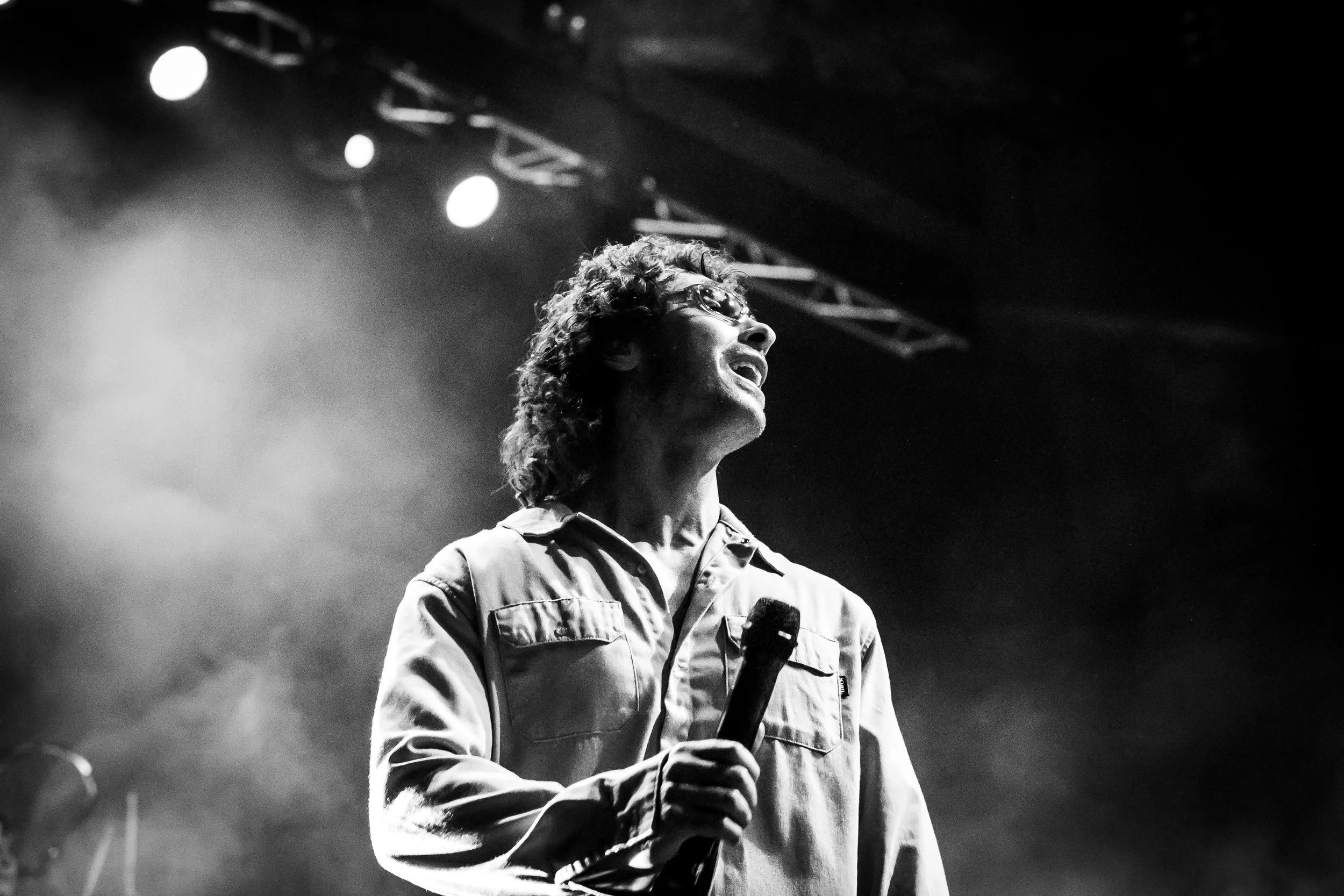
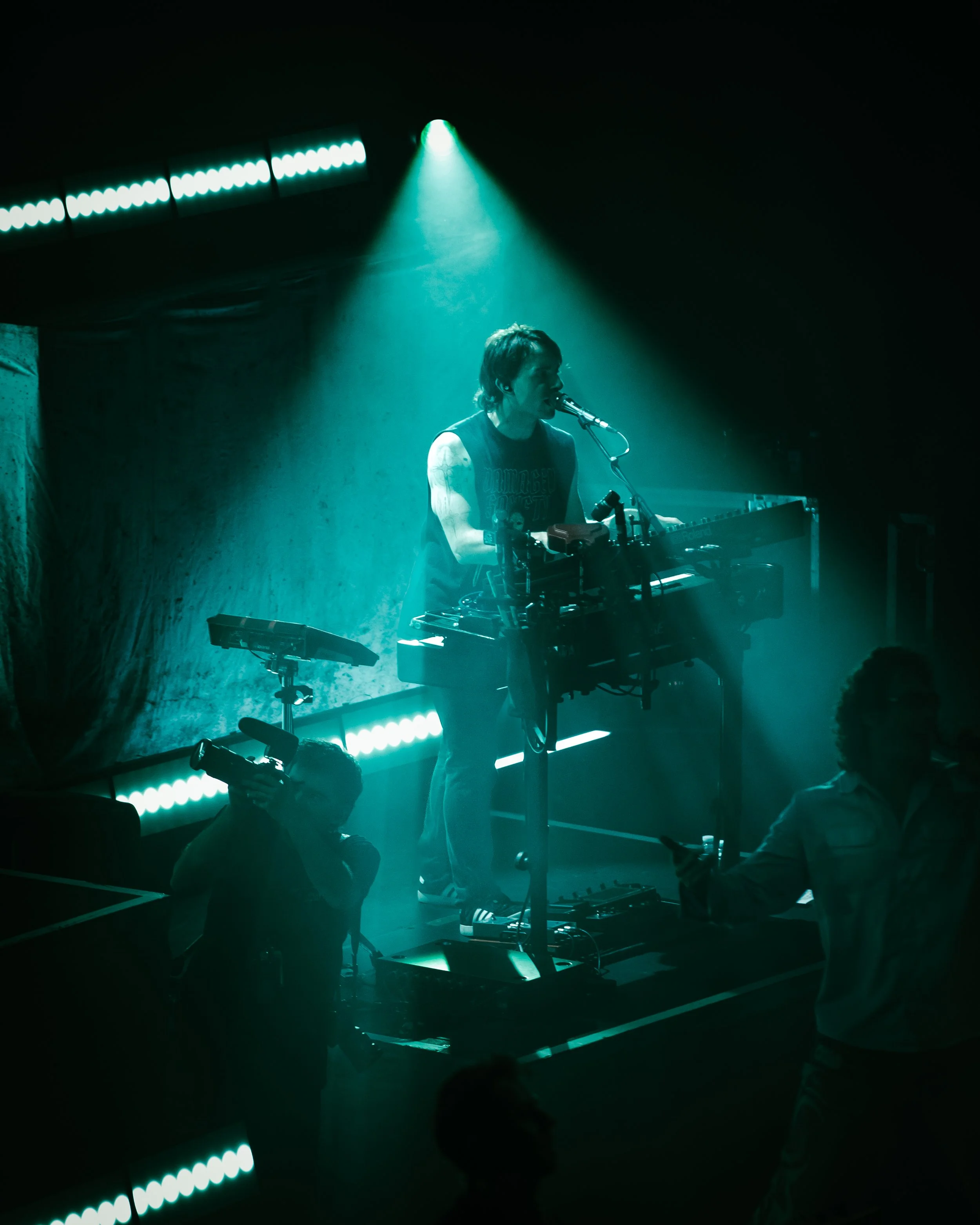
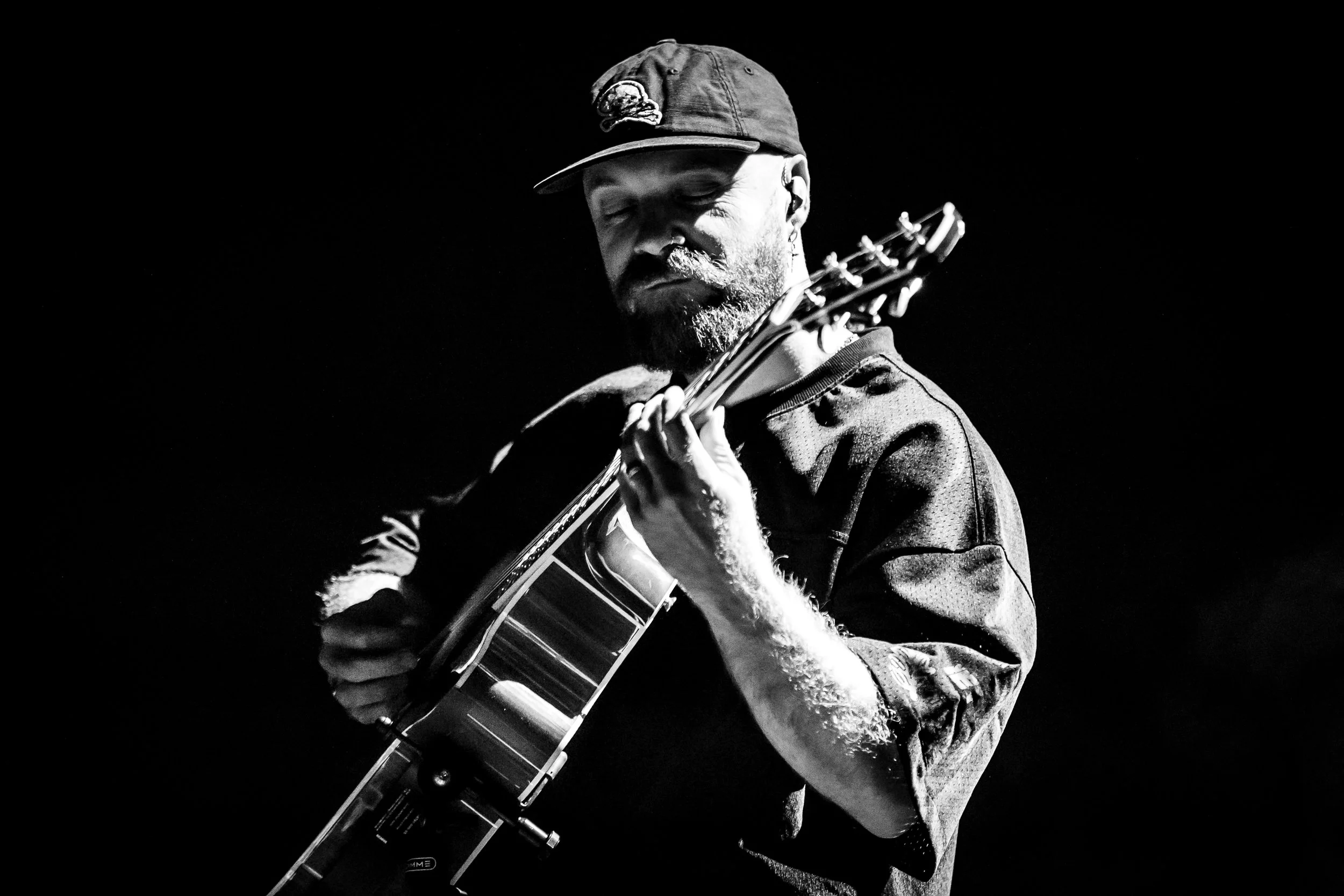
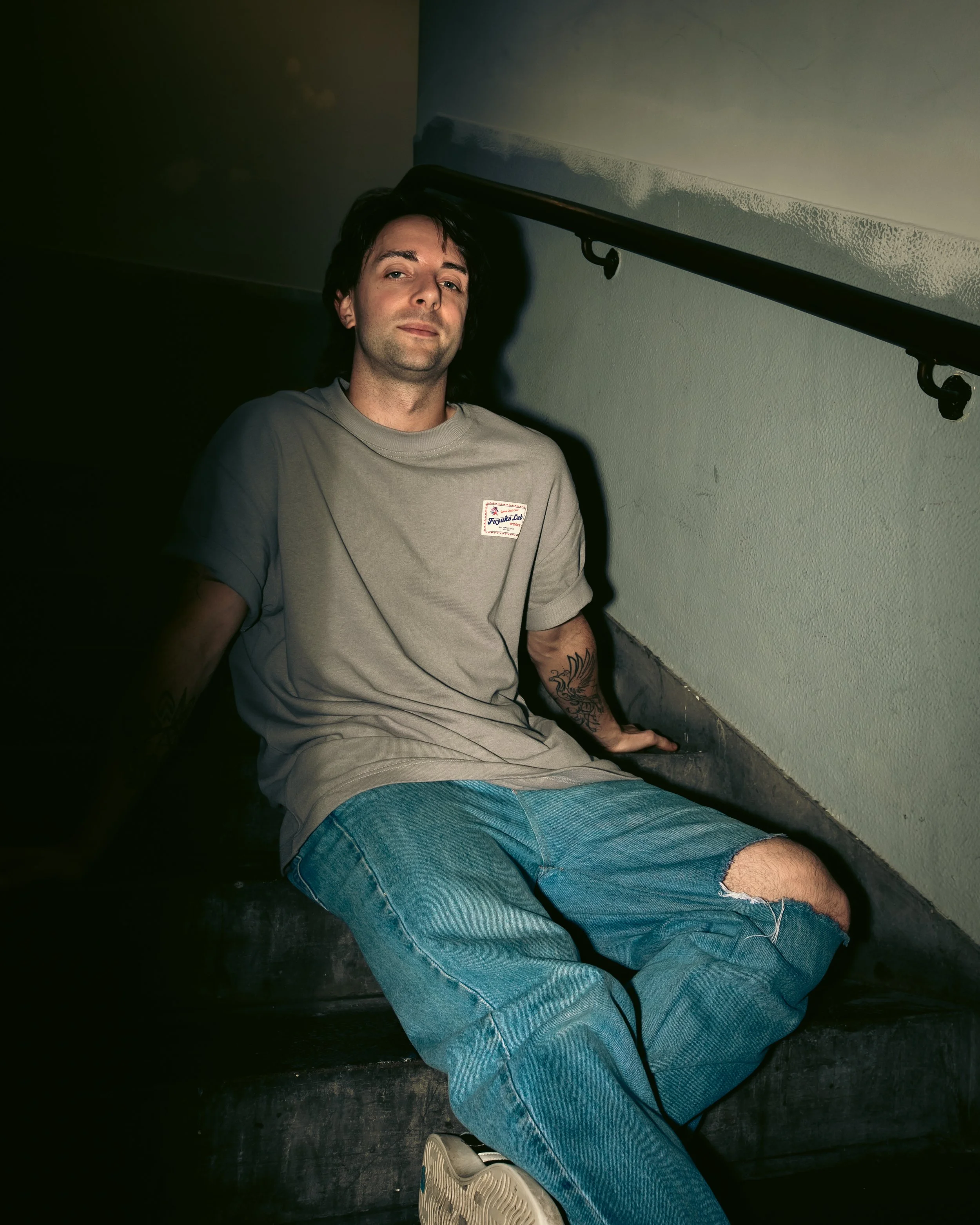
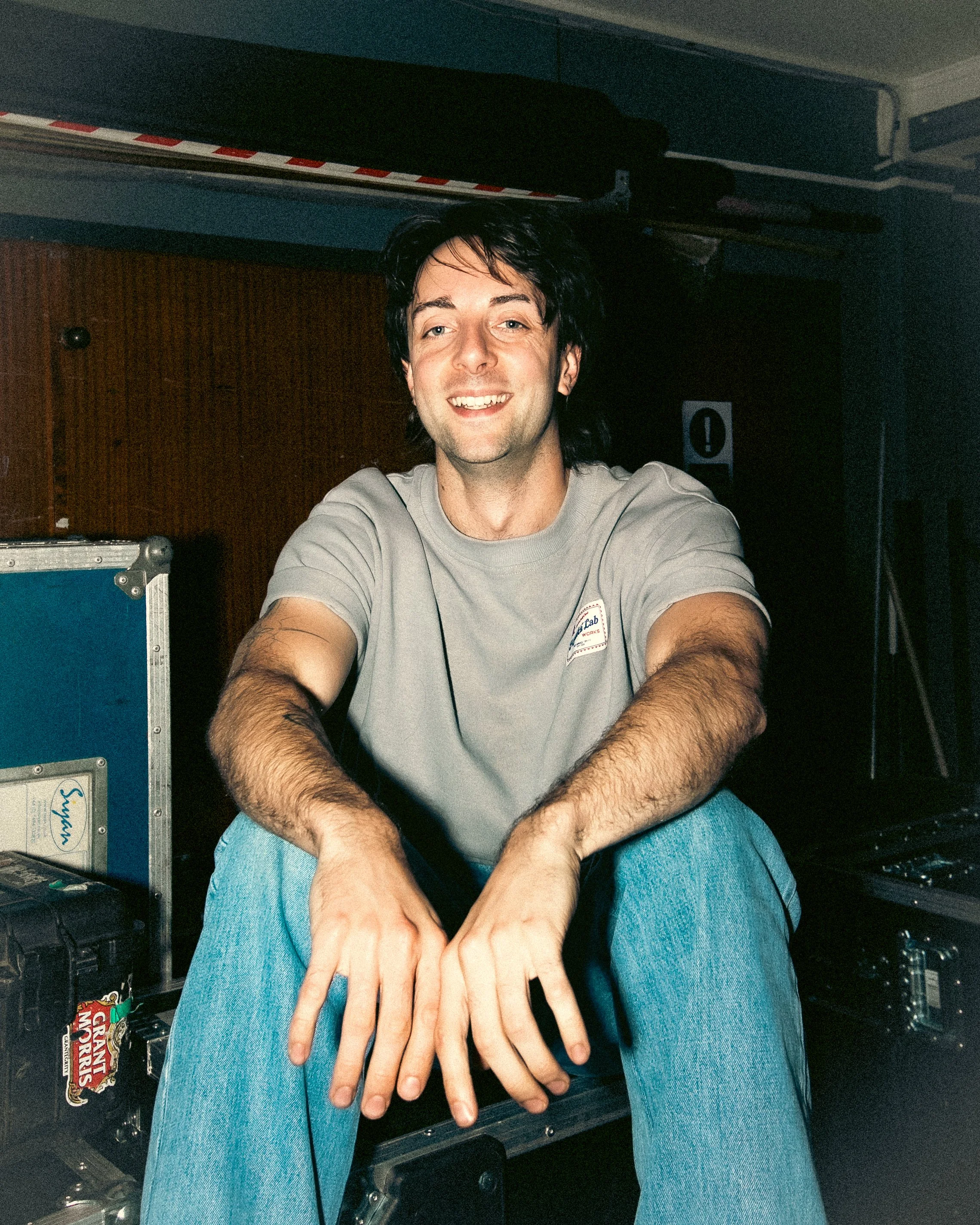
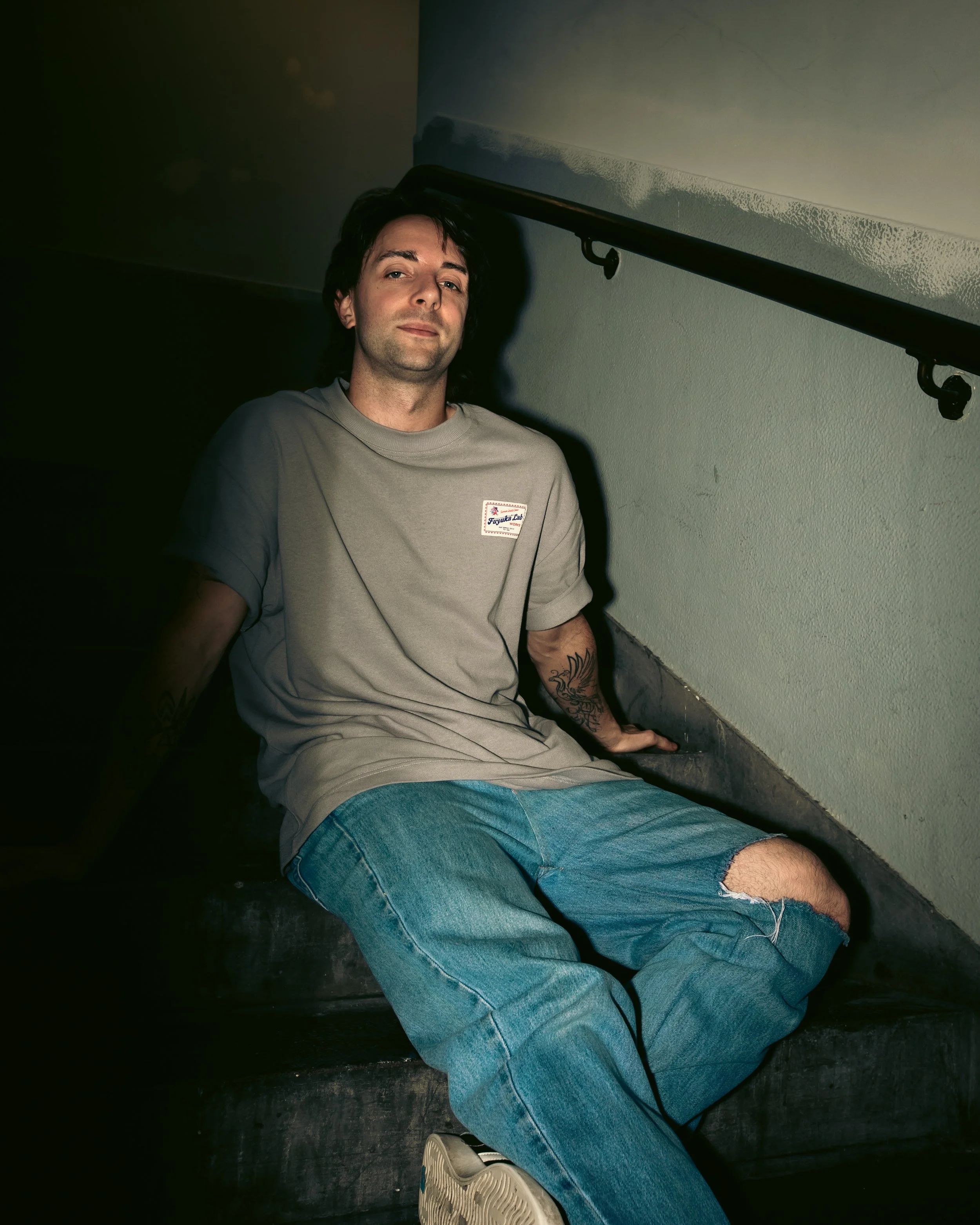
I recently had the opportunity to sit down with Pete Daynes, a freelancer who works primarily as musical director, session player, live touring keys/bassist and programmer. We spoke about his work and these positions, with roles spanning multiple artists, genres and audiences, and how all these positions and experiences inform each other.
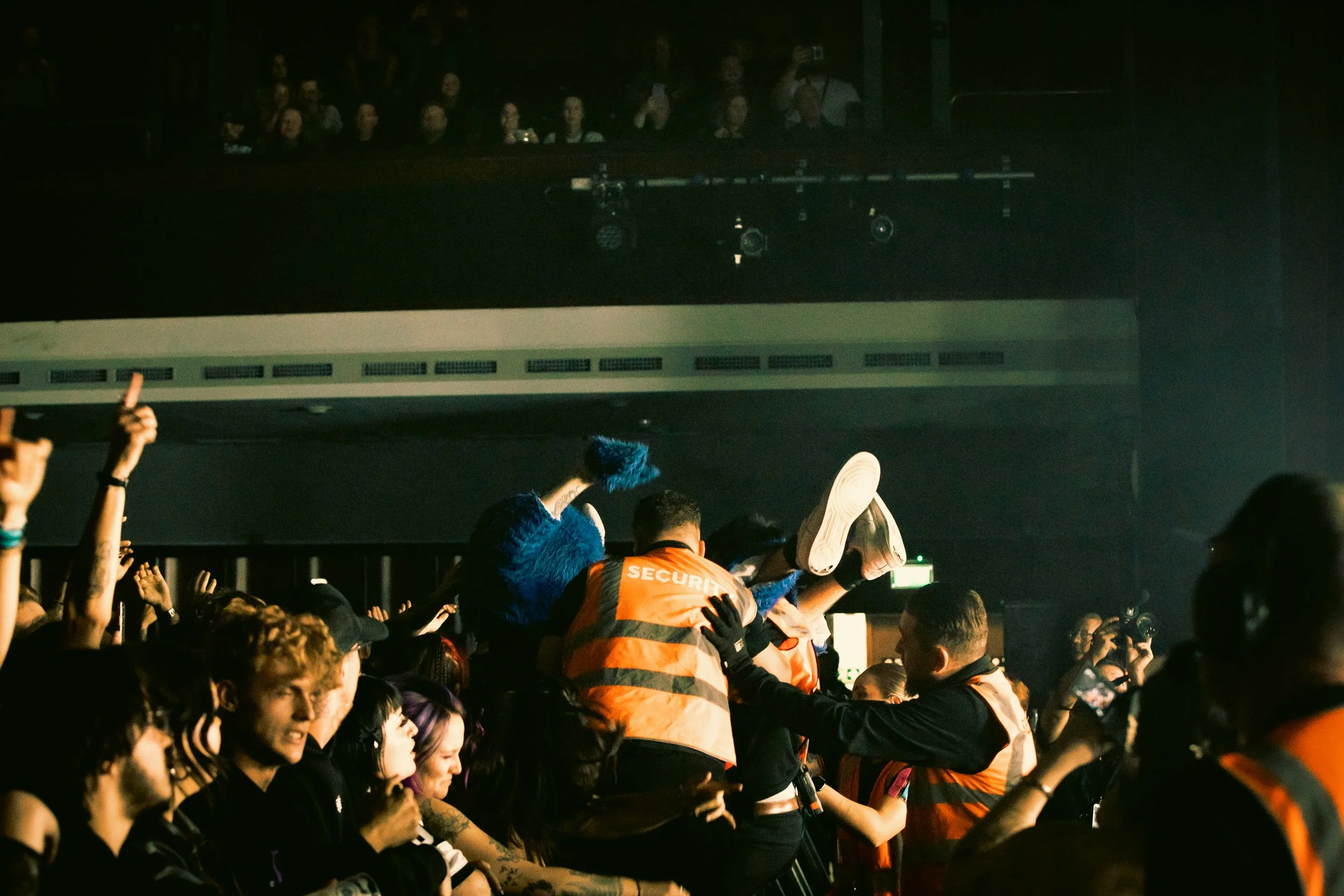
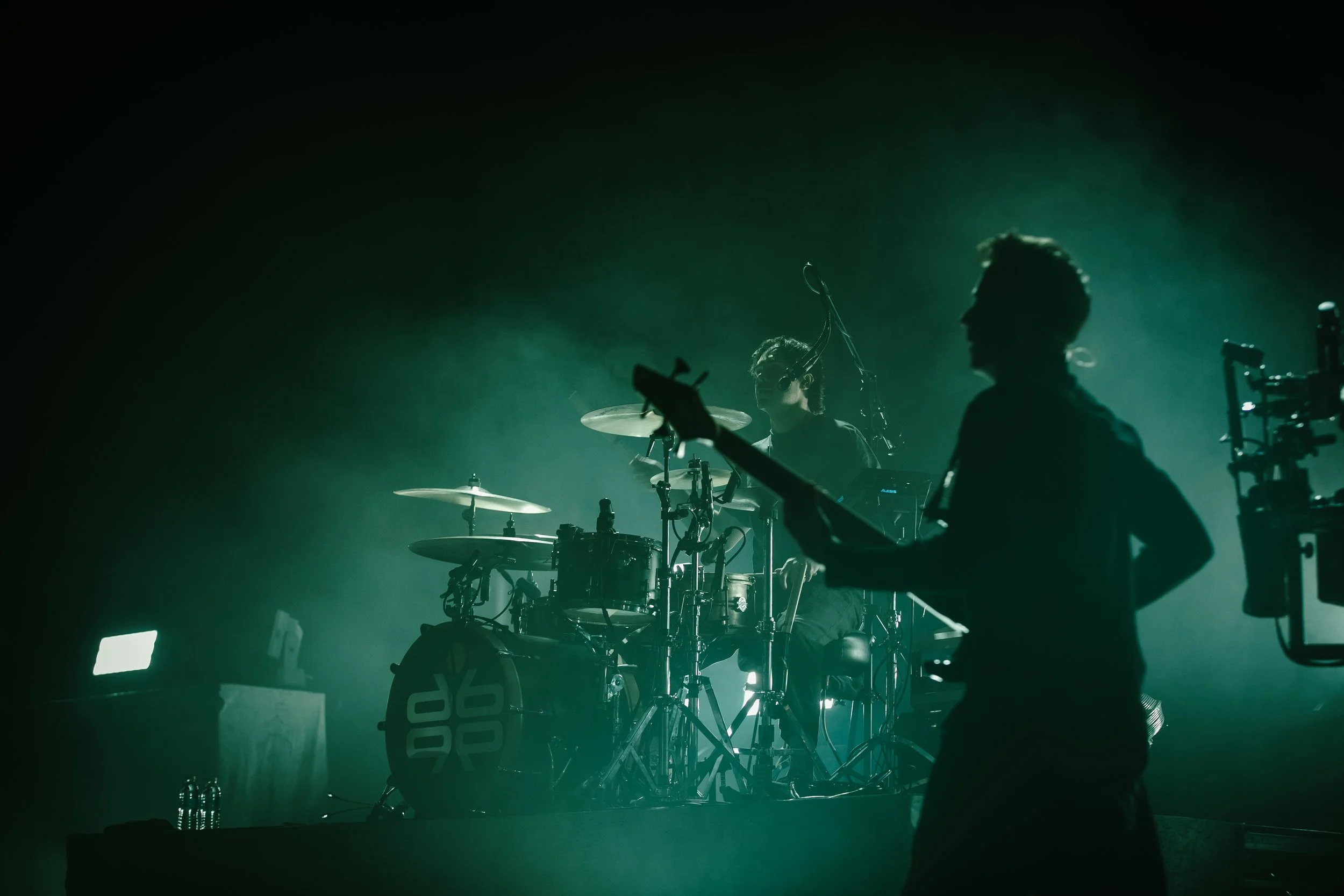
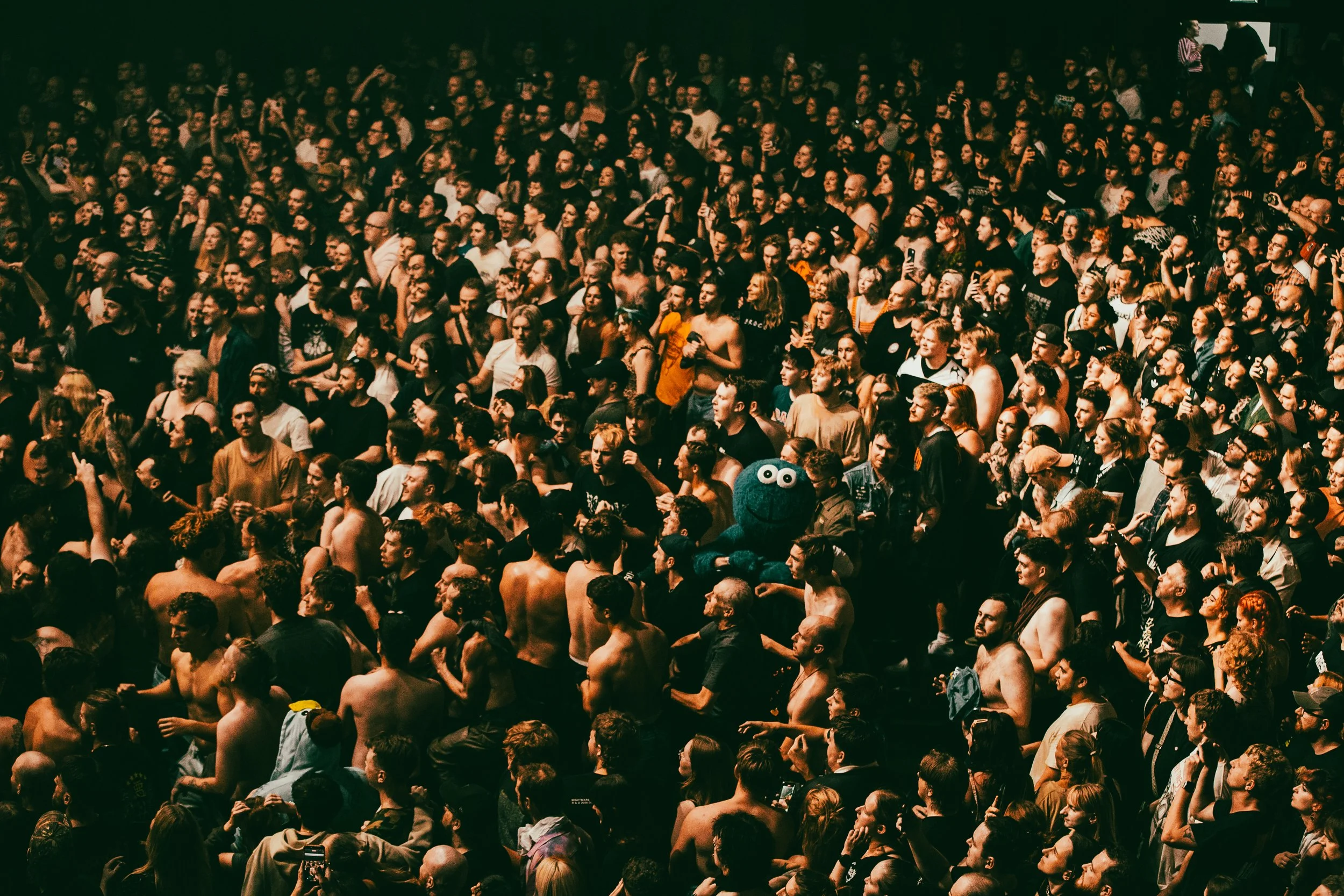
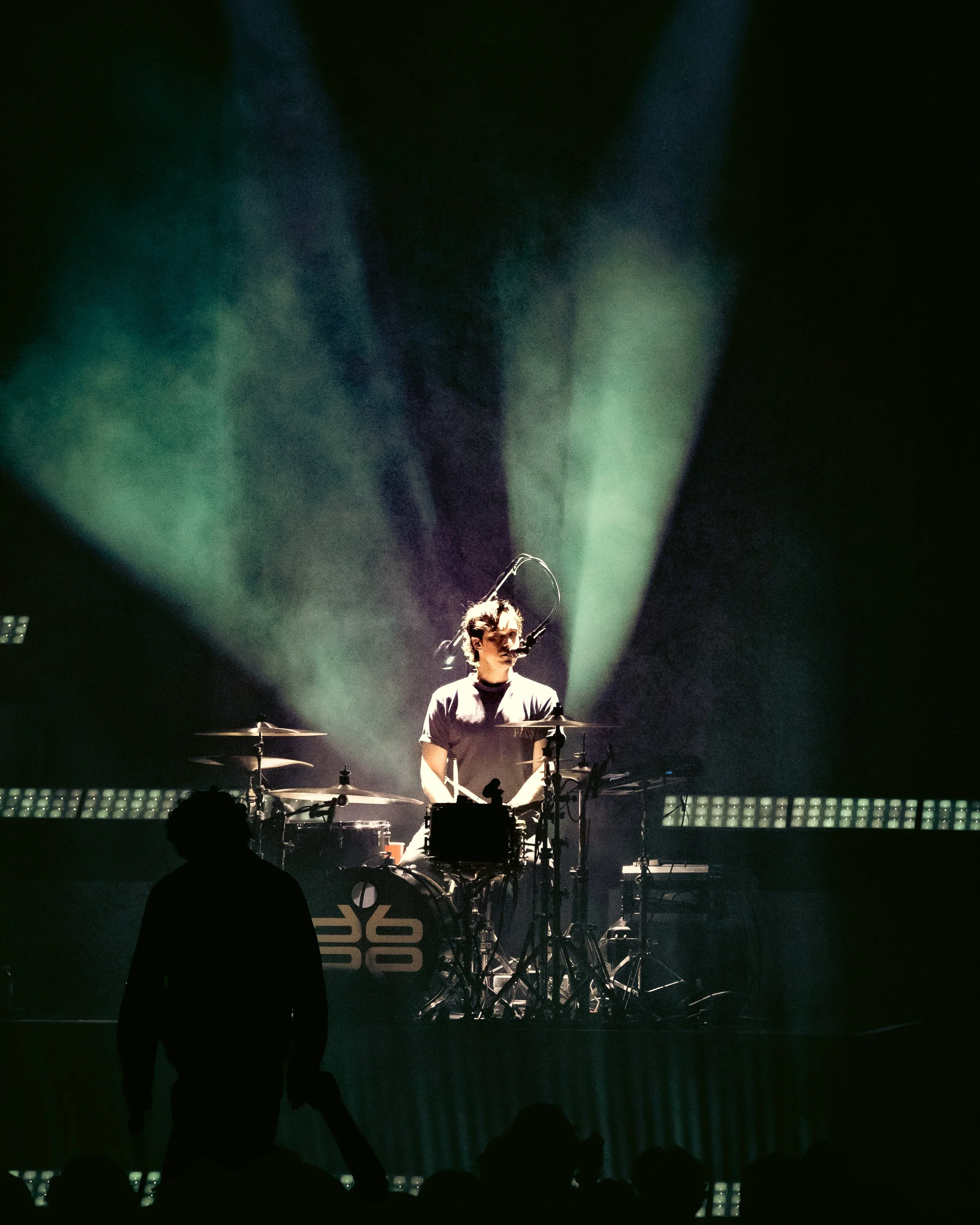
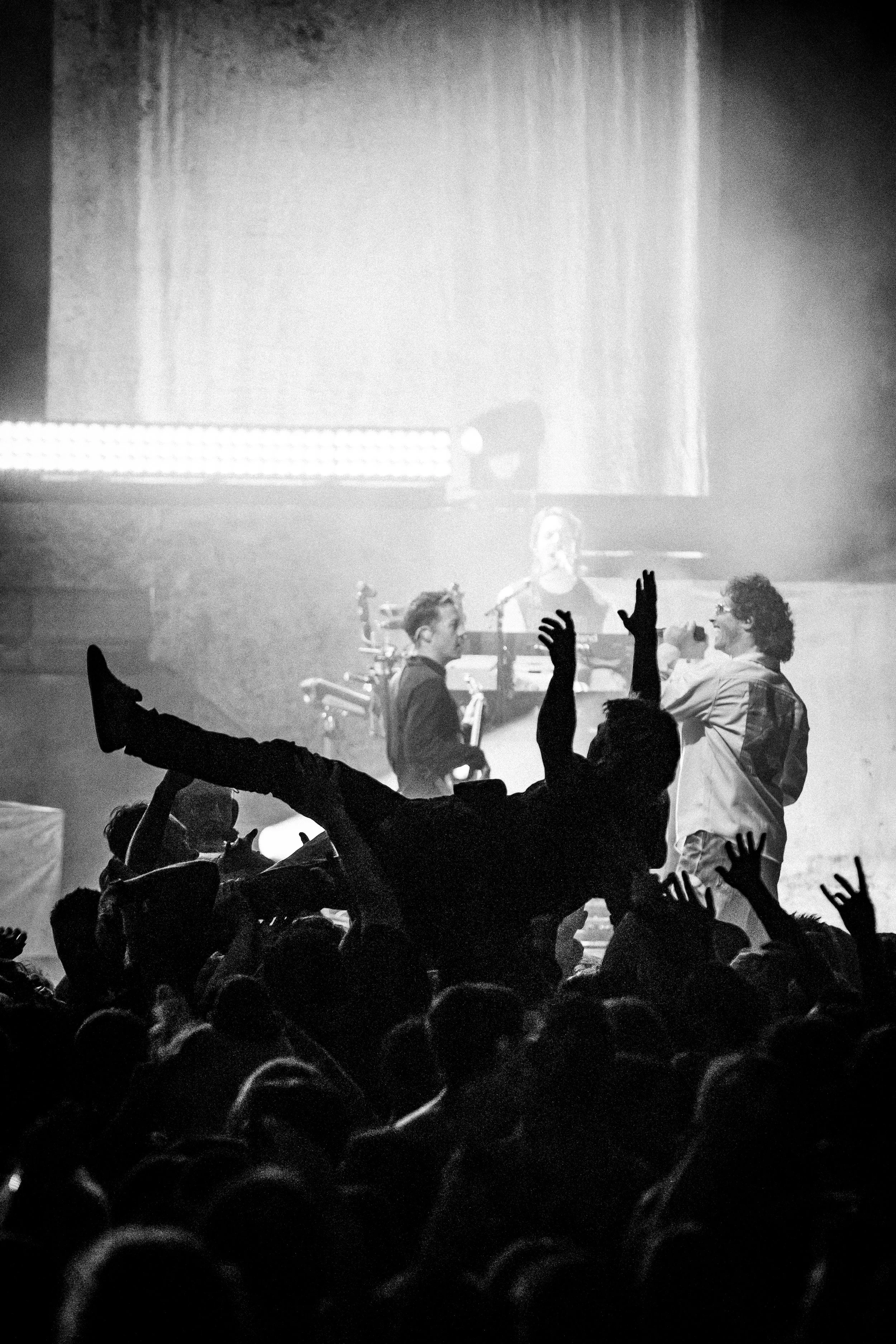
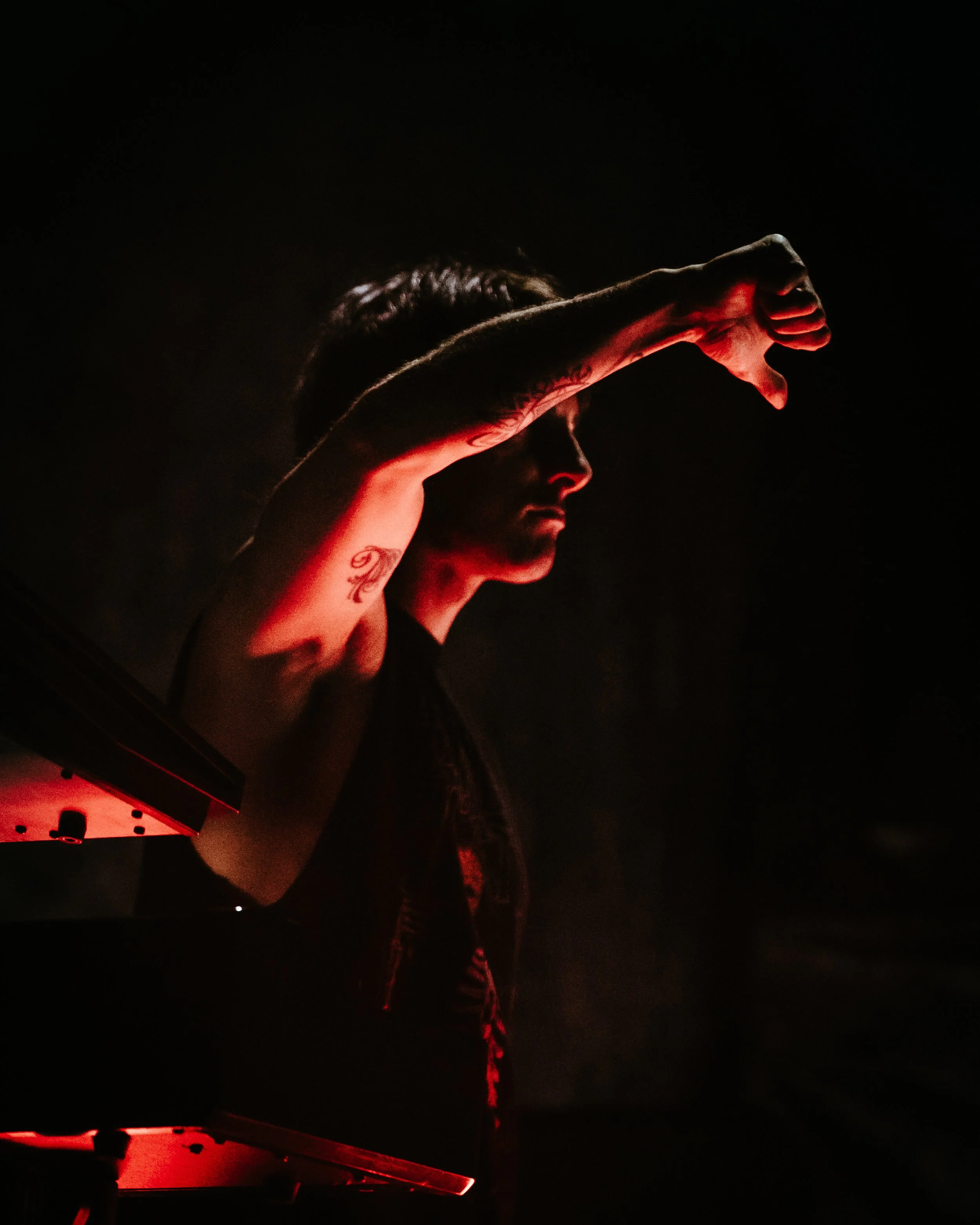
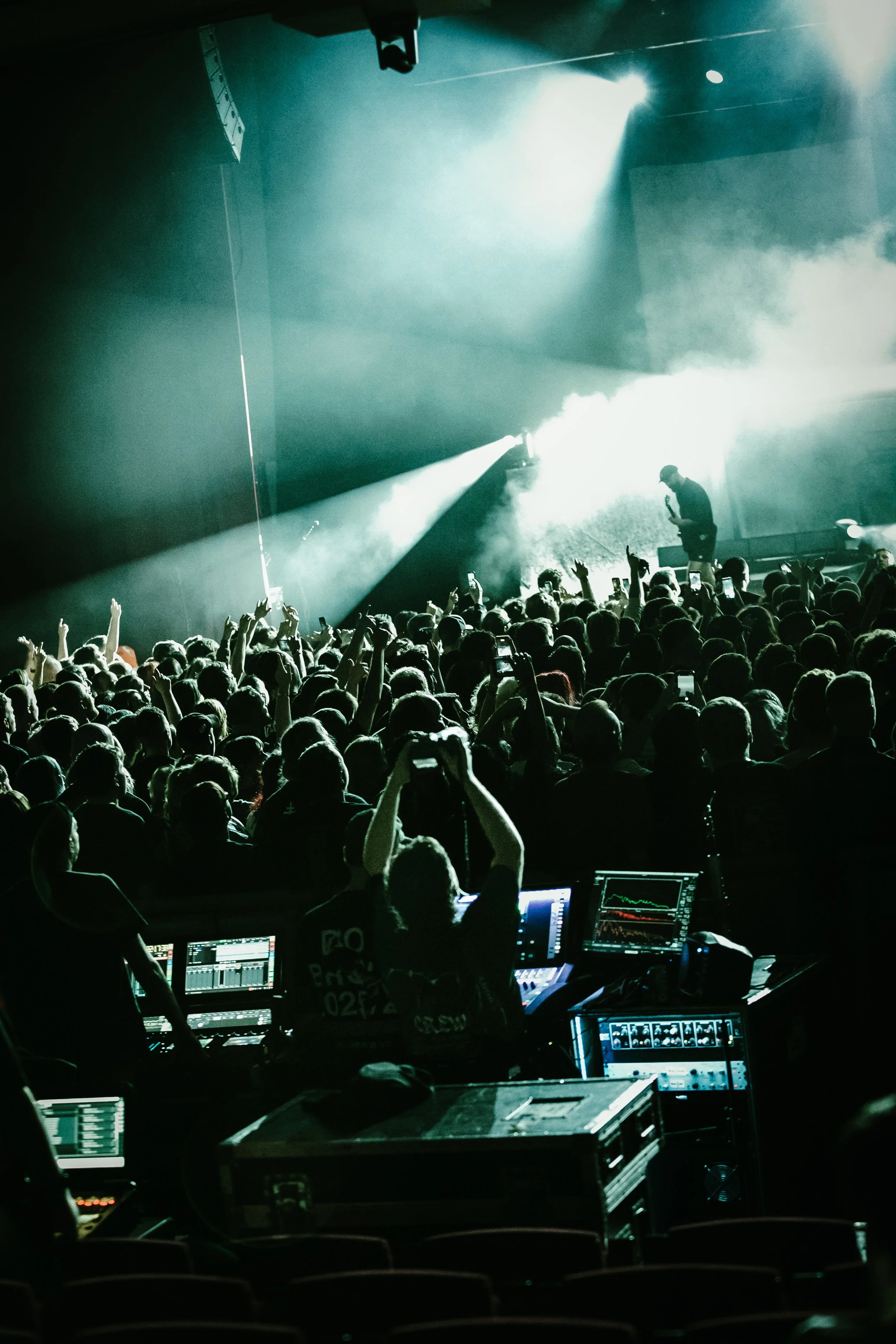
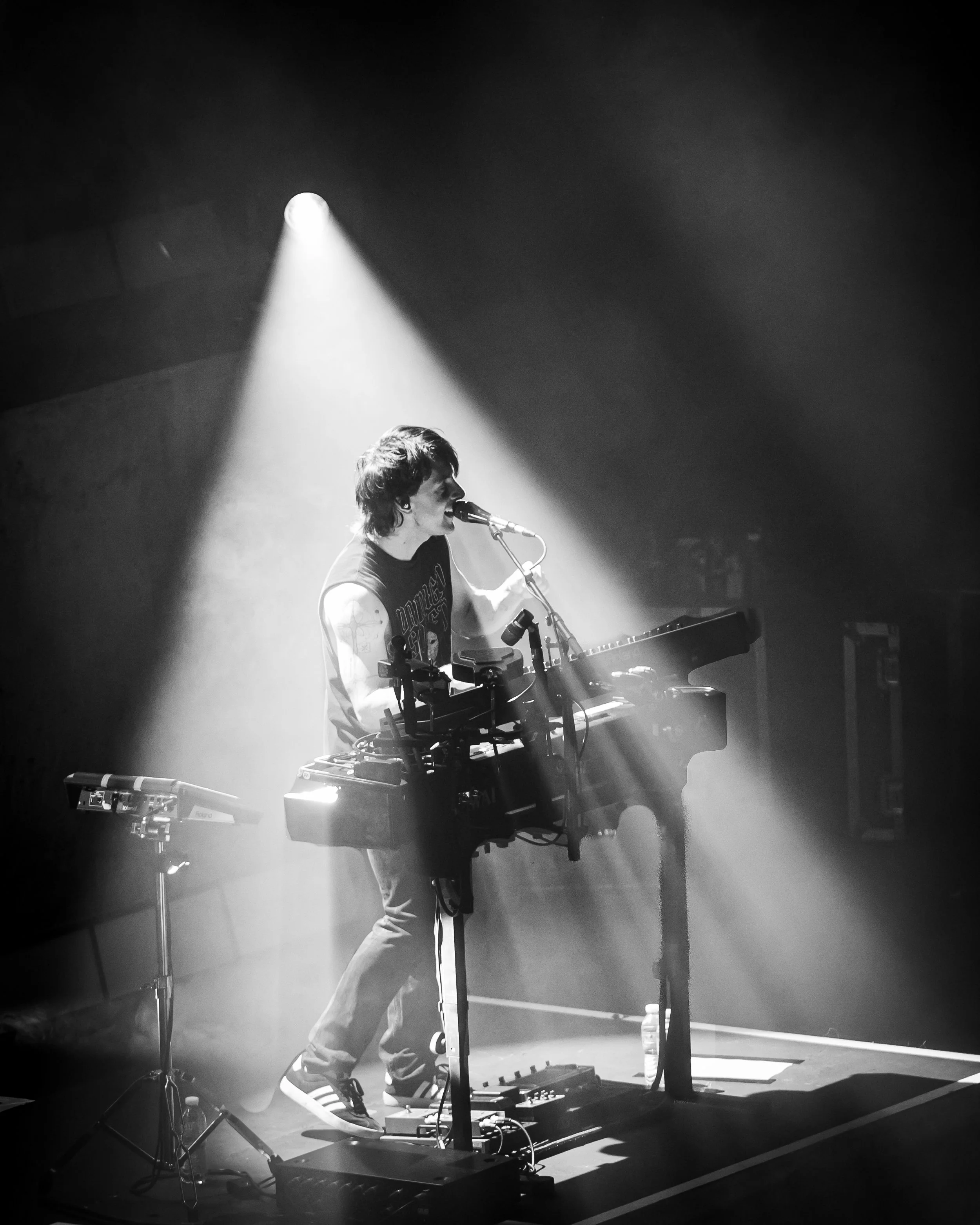
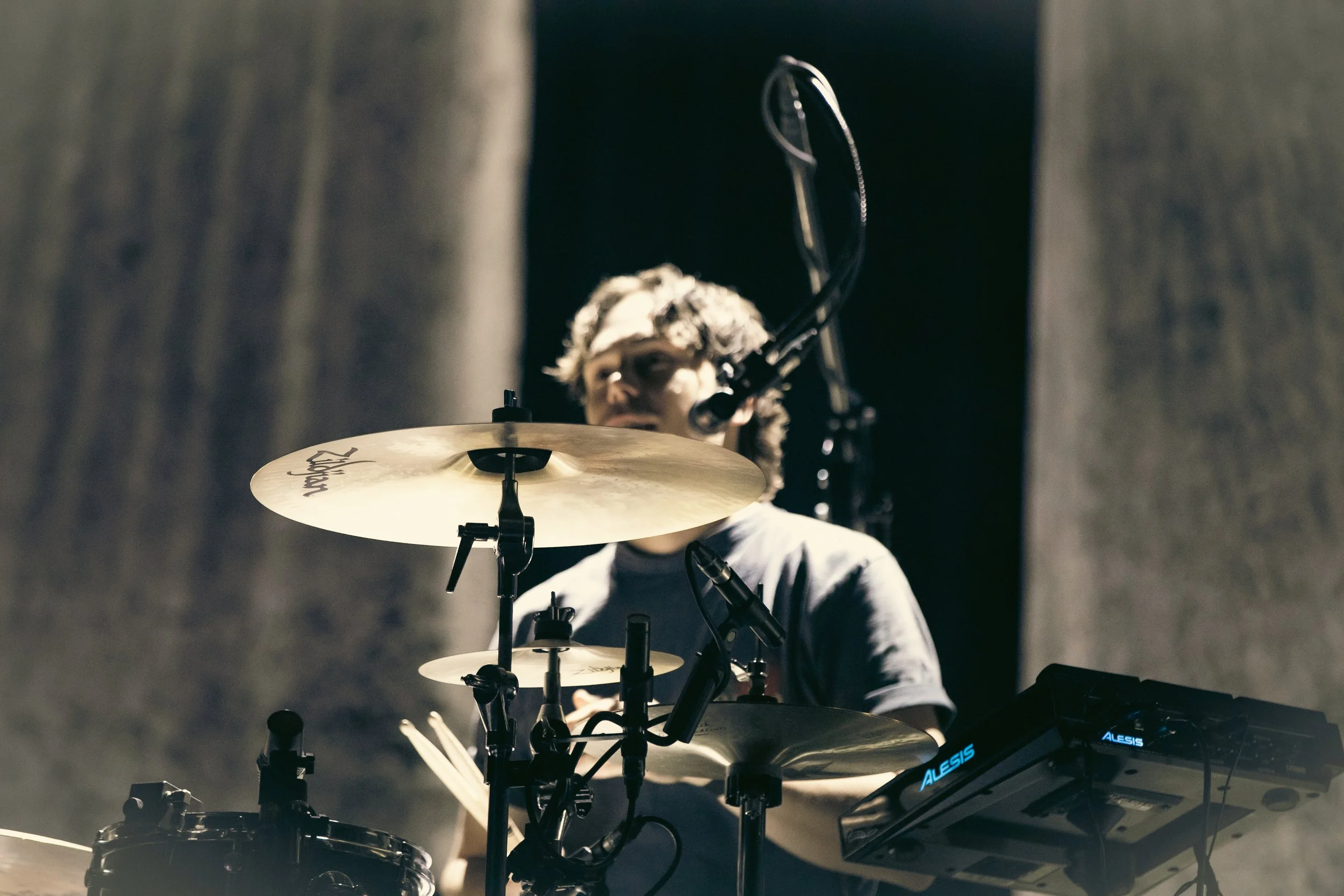
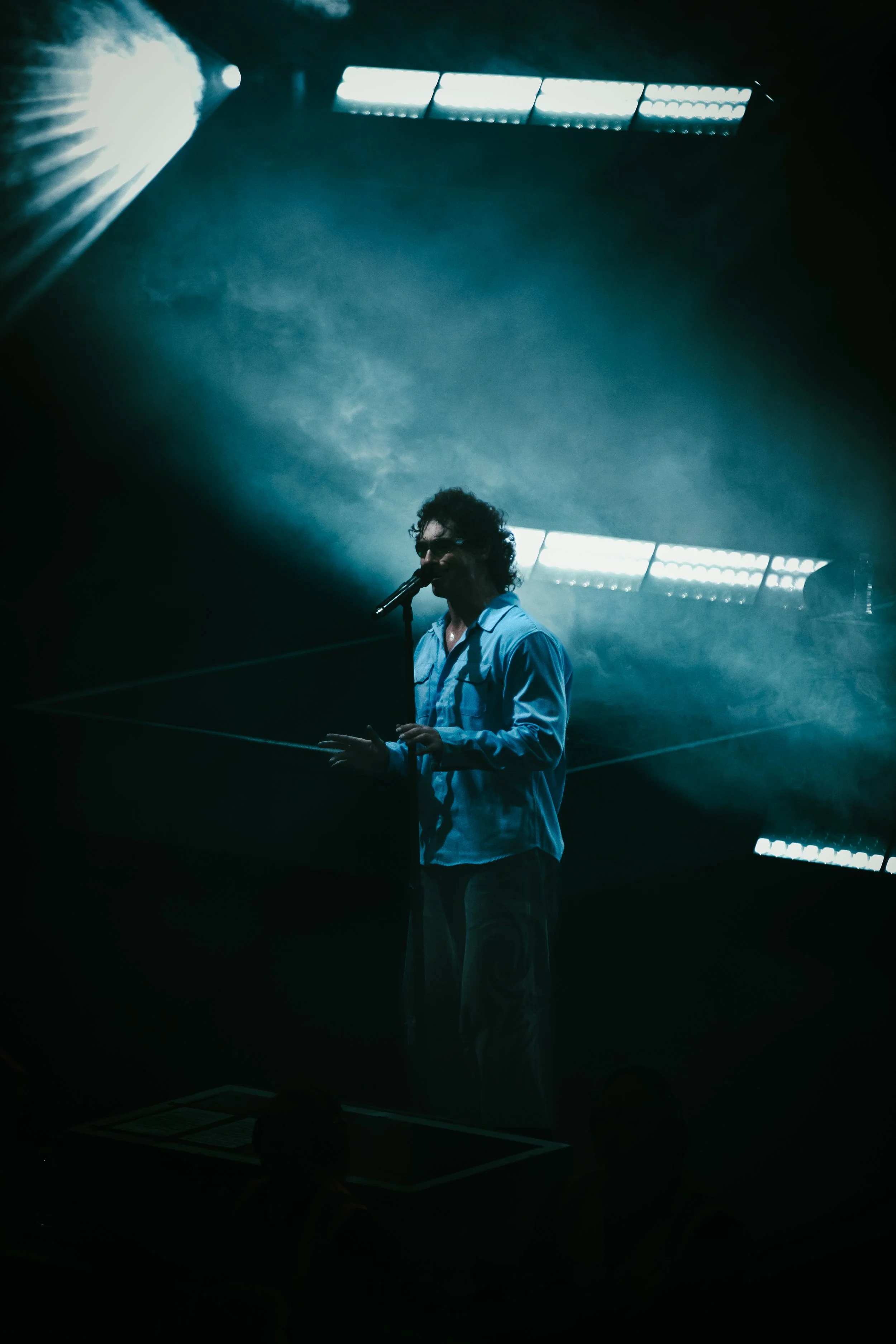
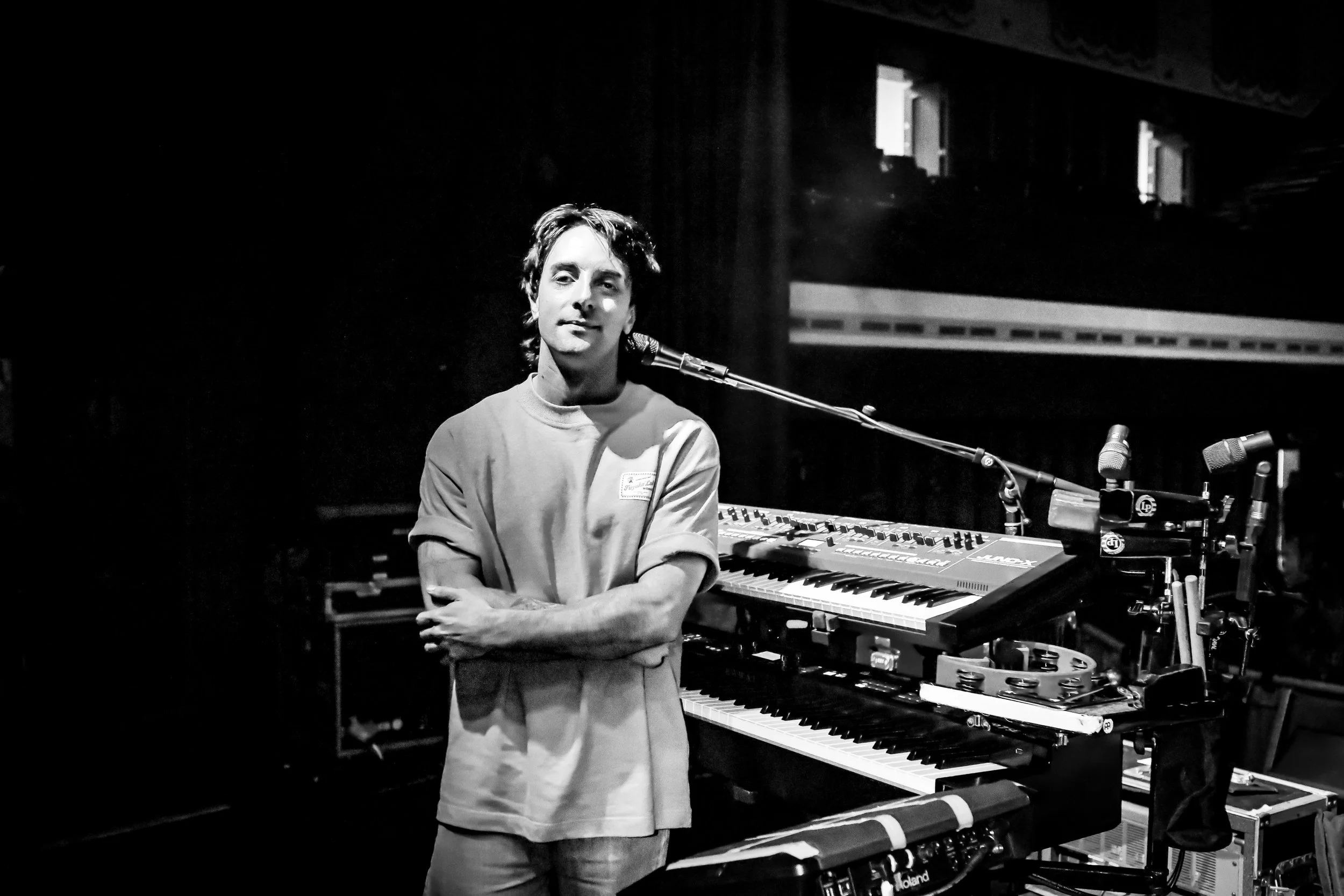
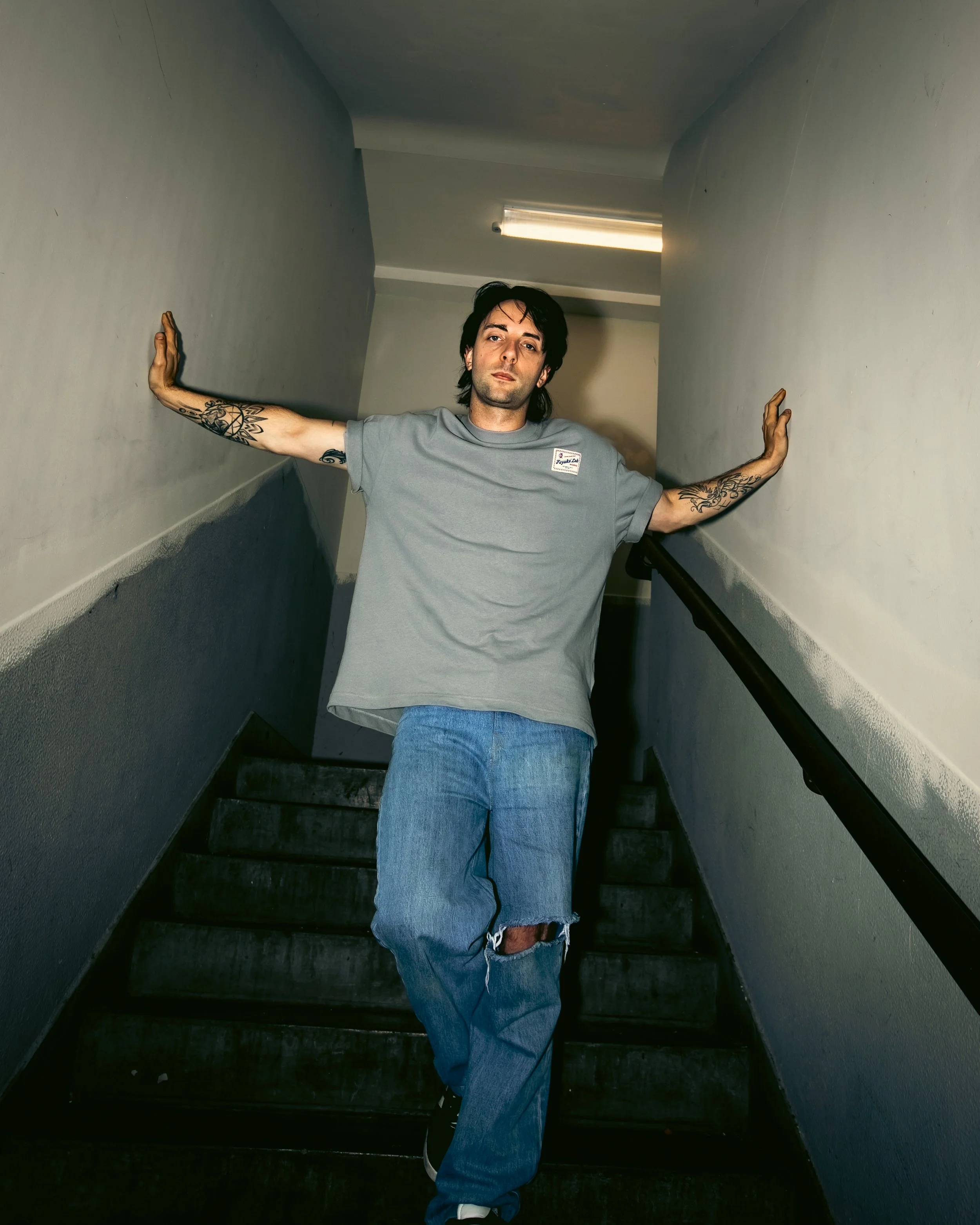
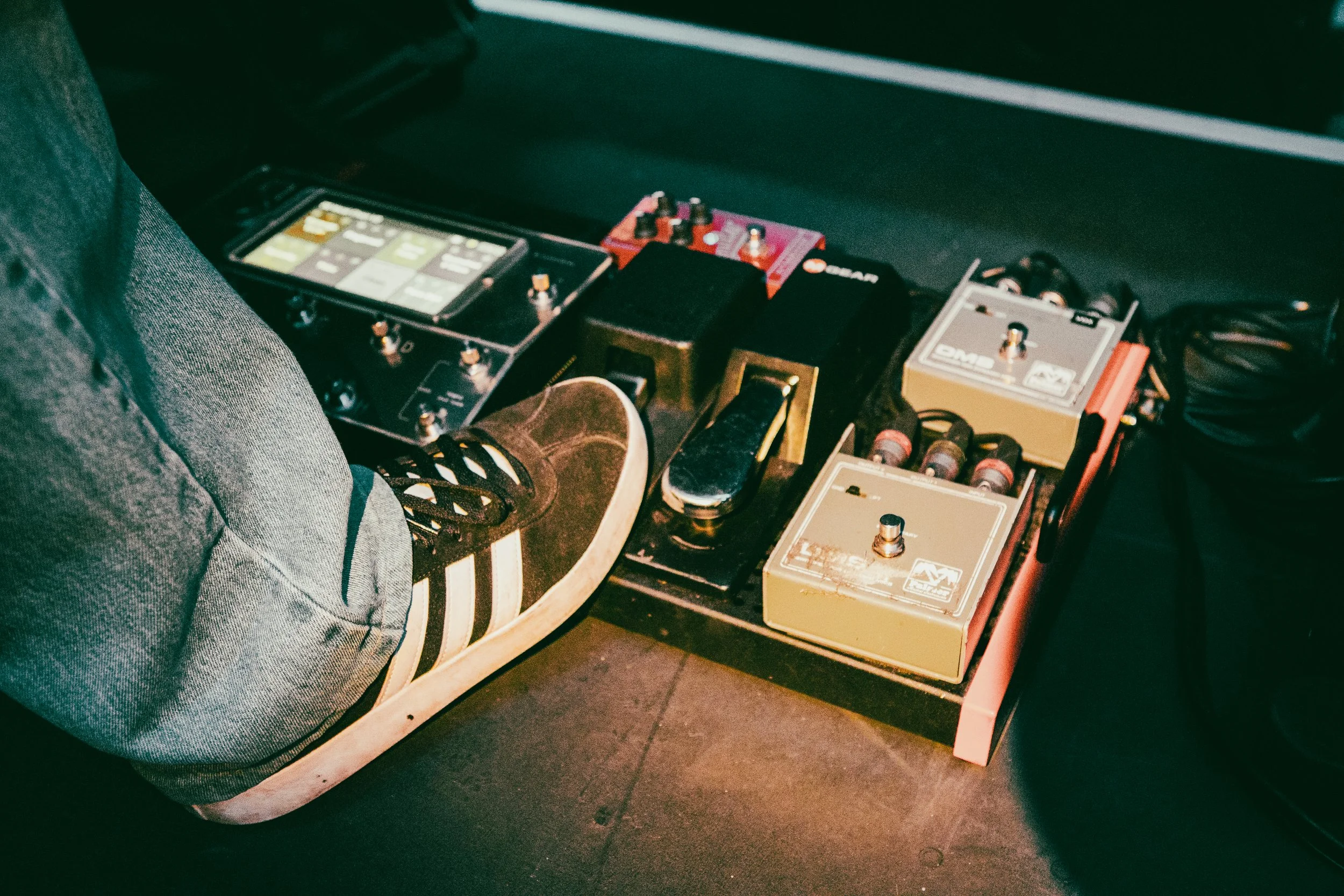
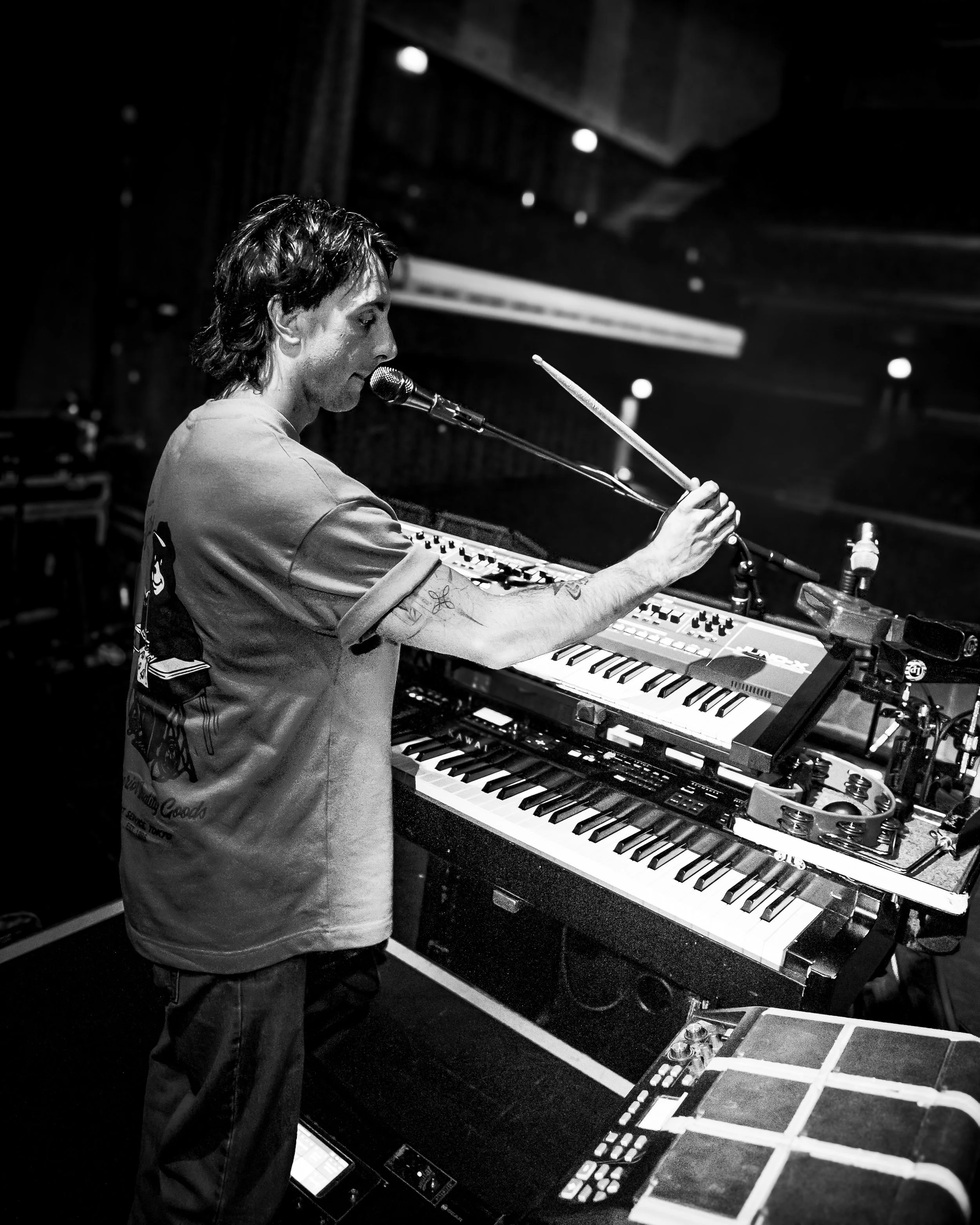
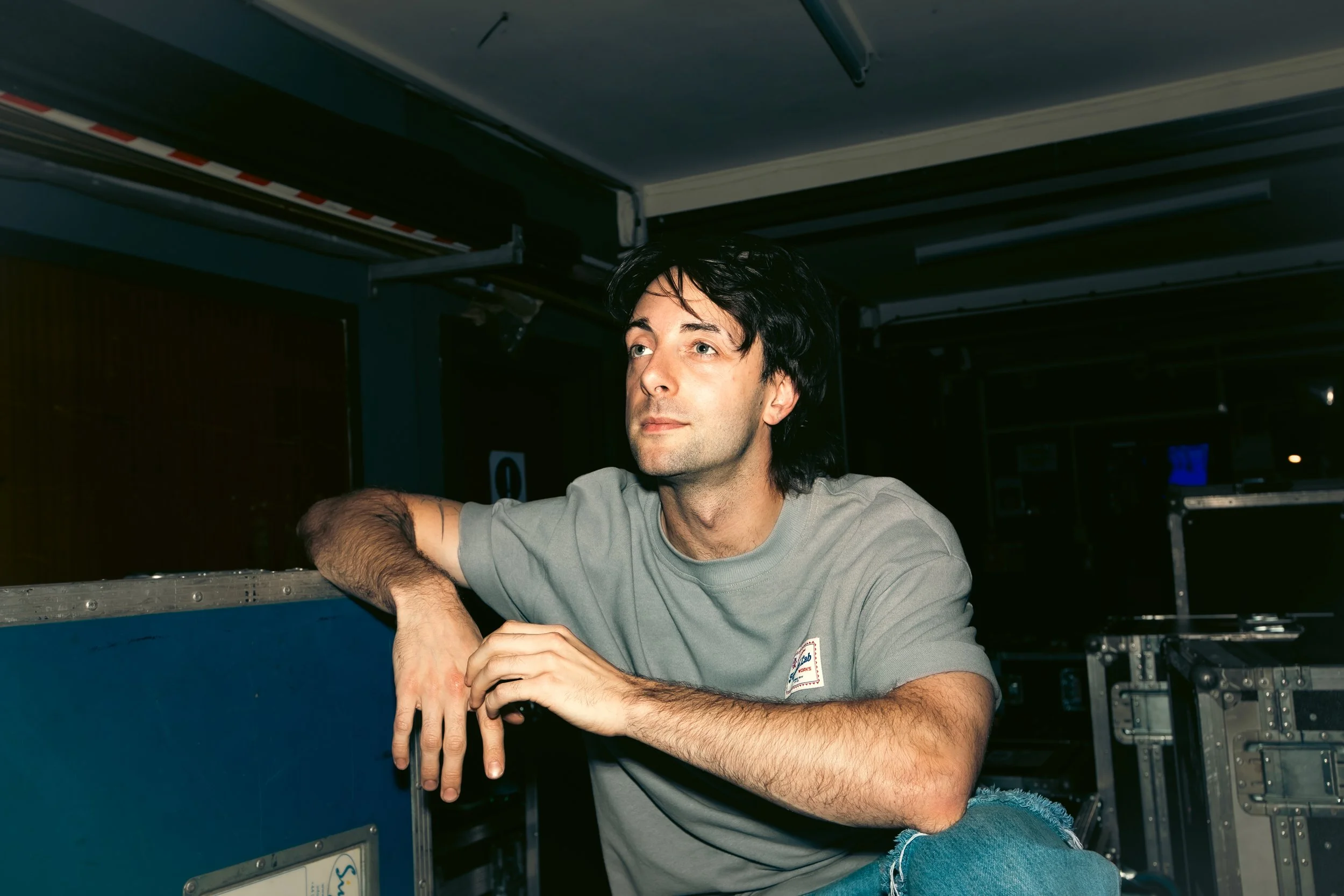
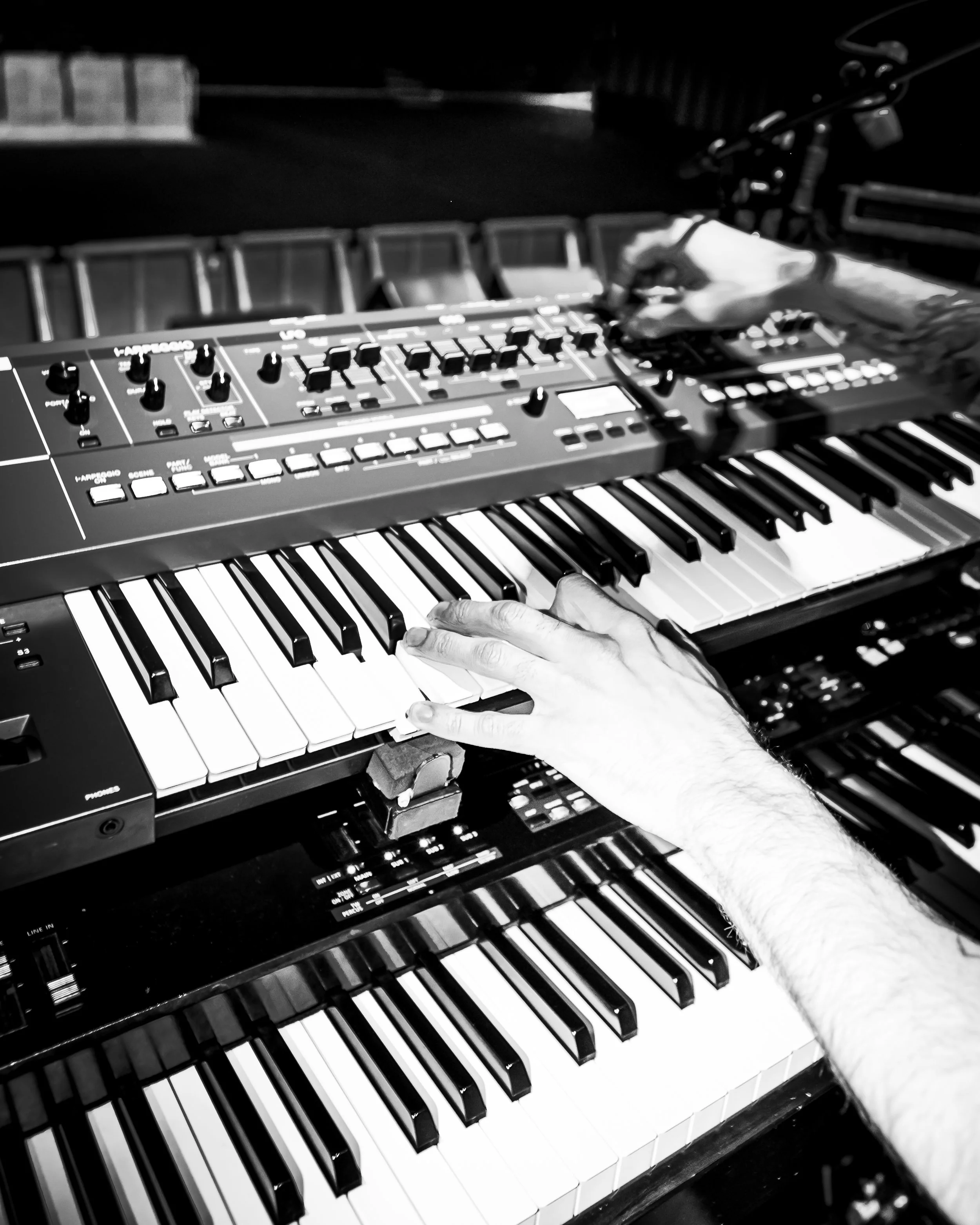
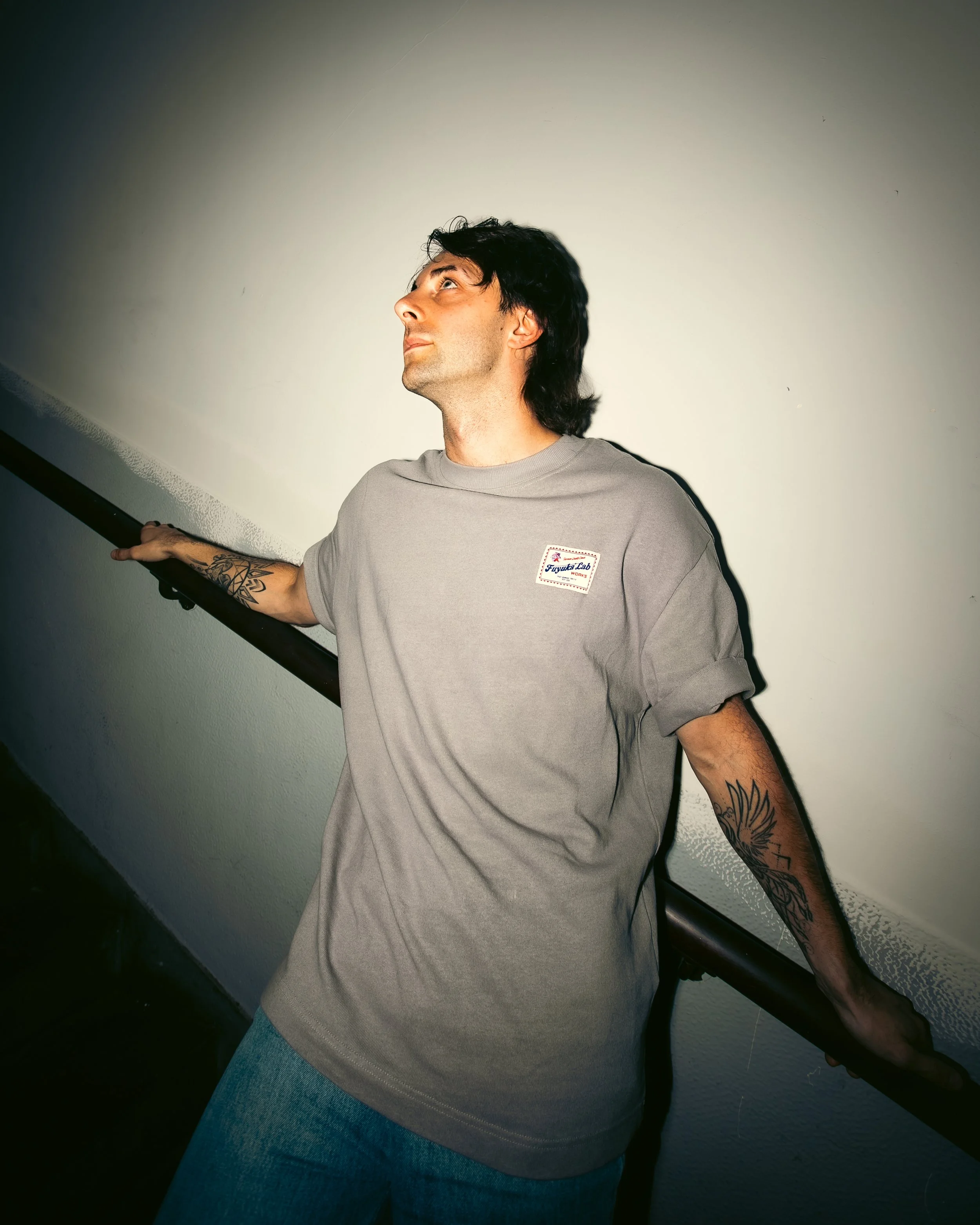
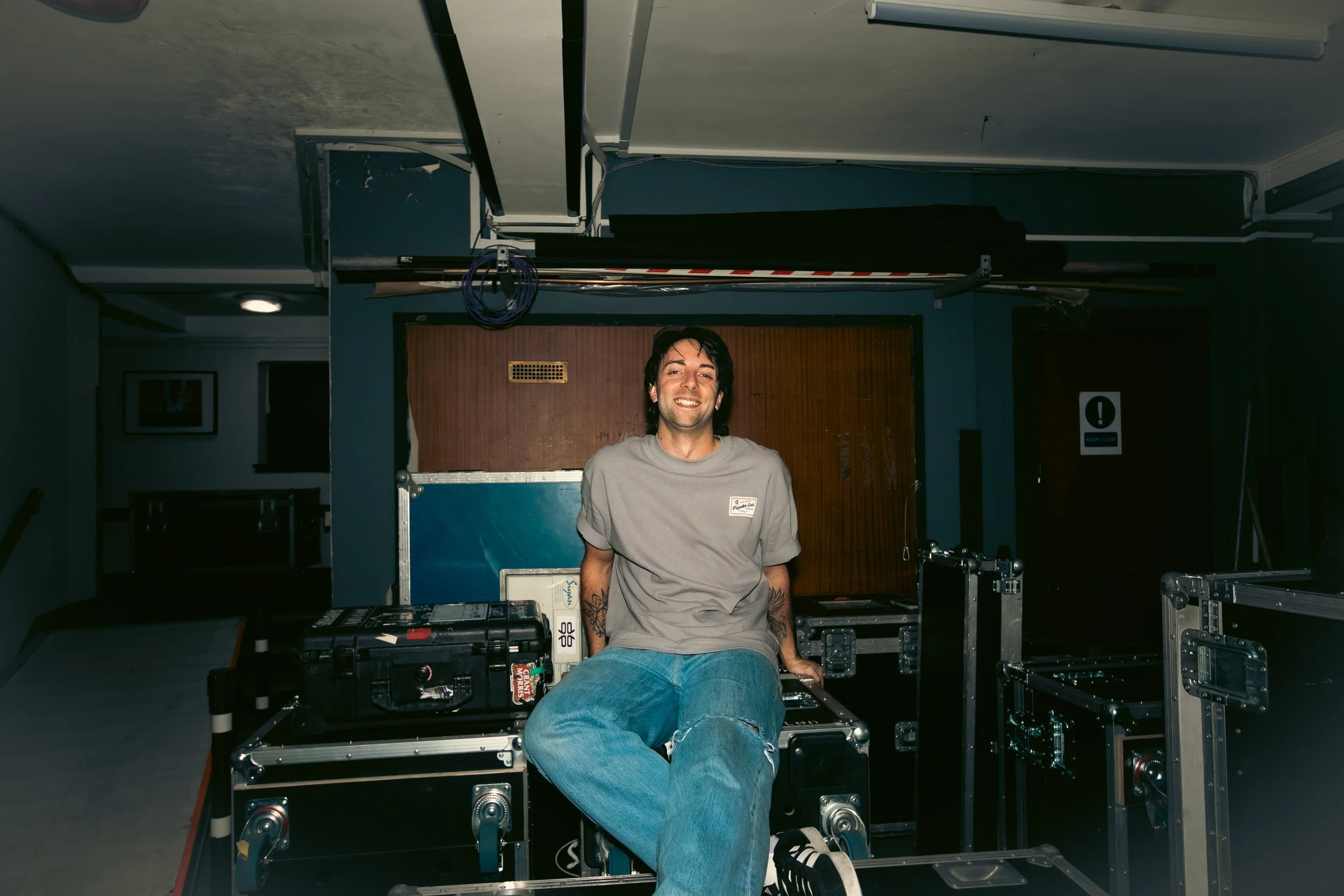
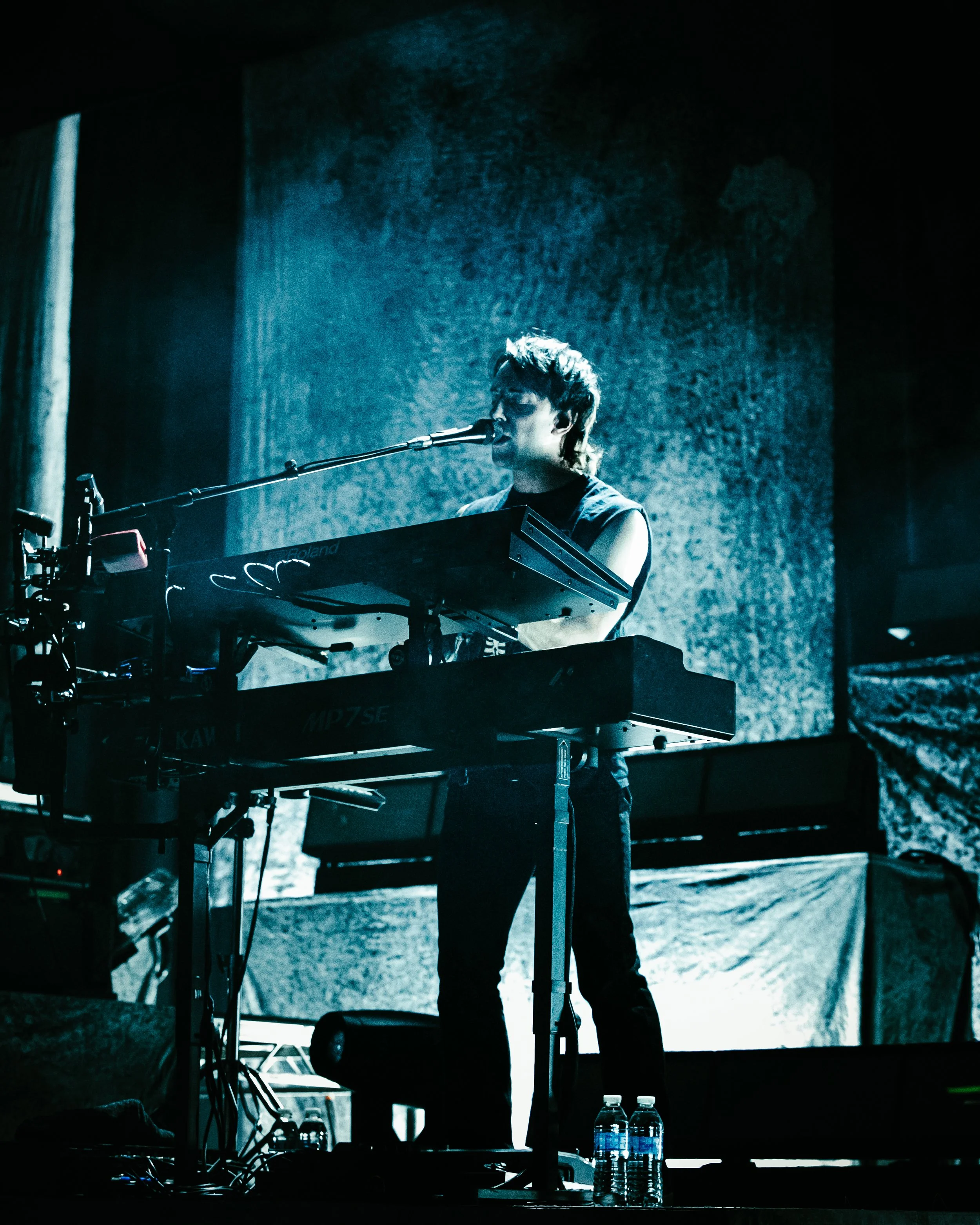
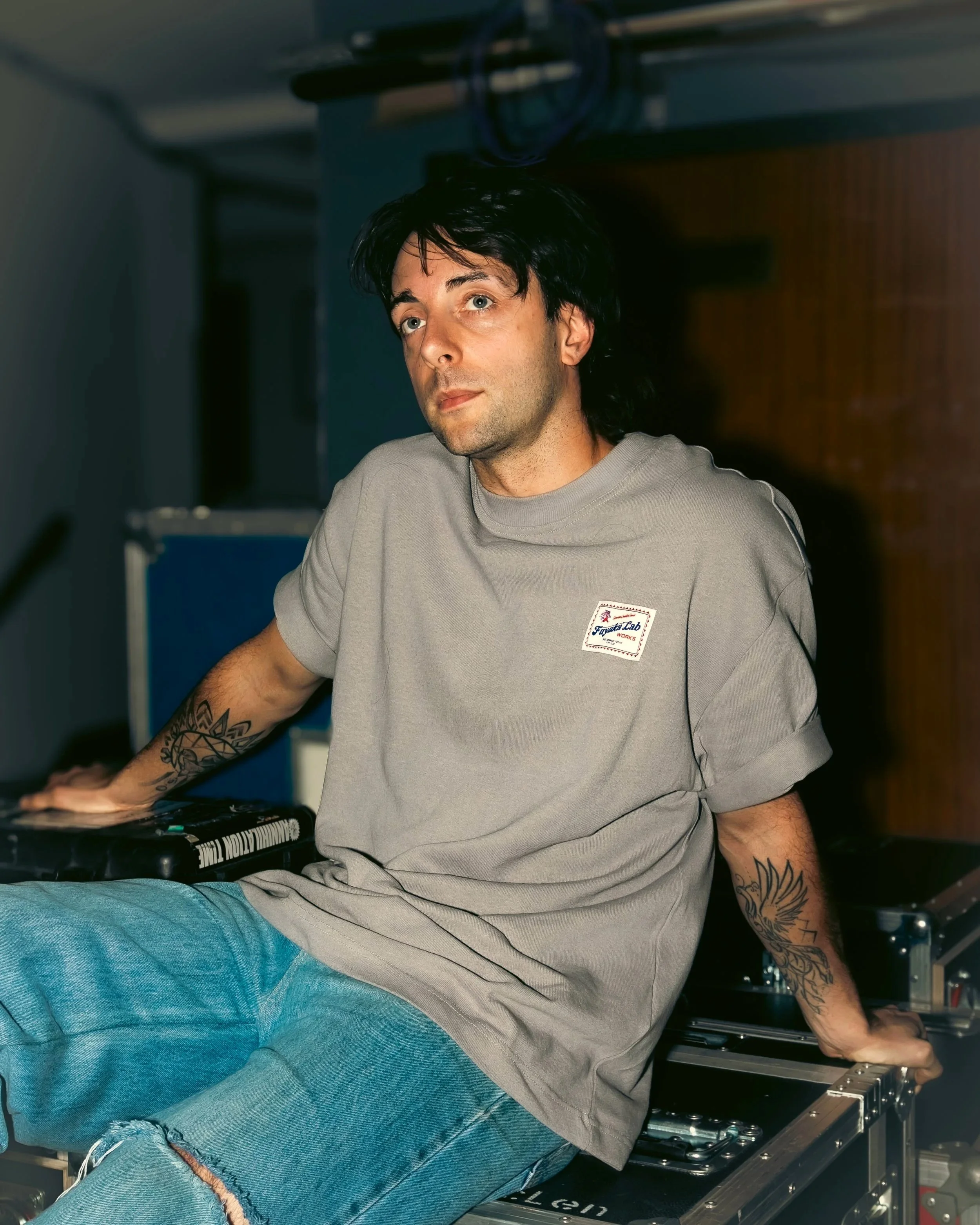
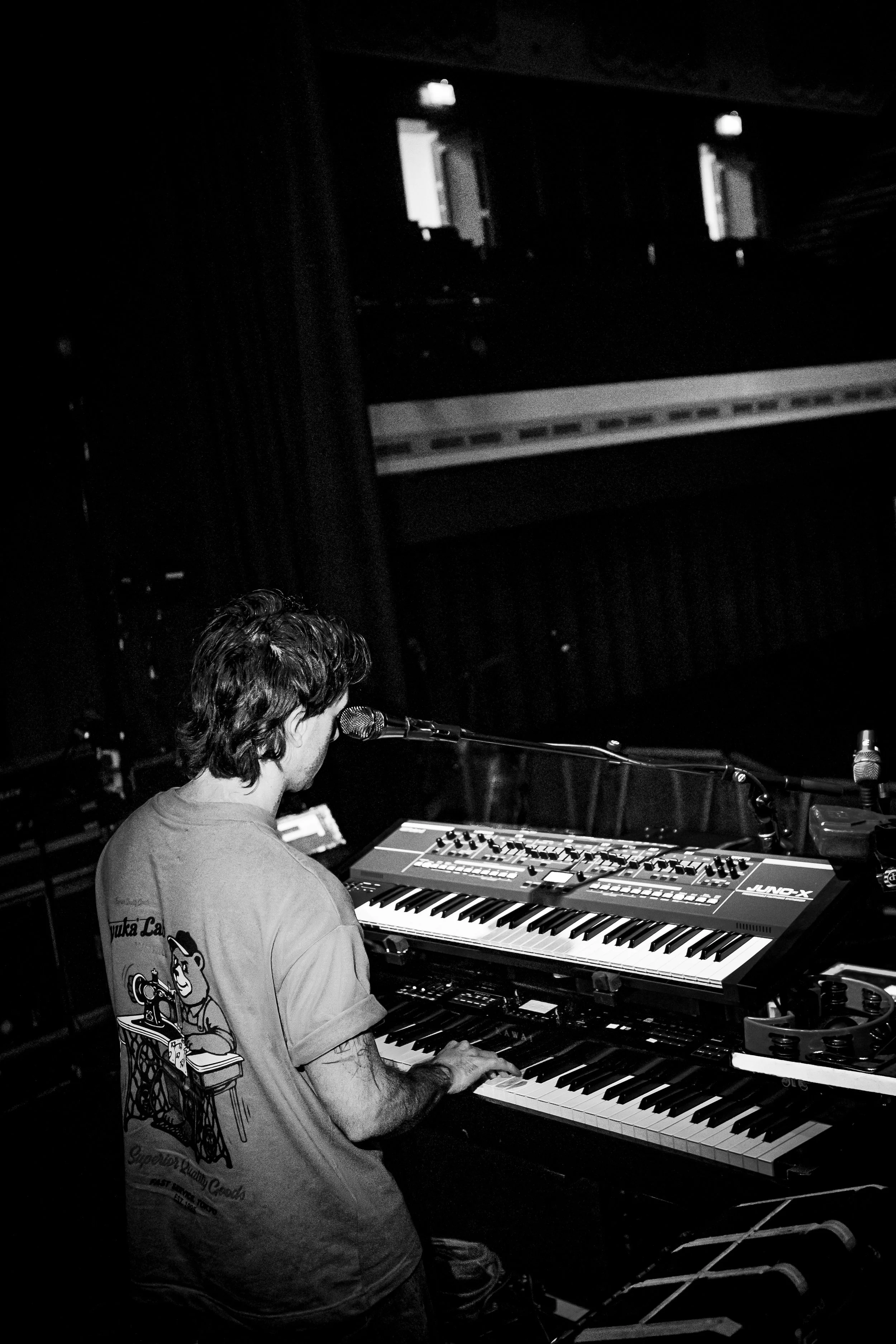
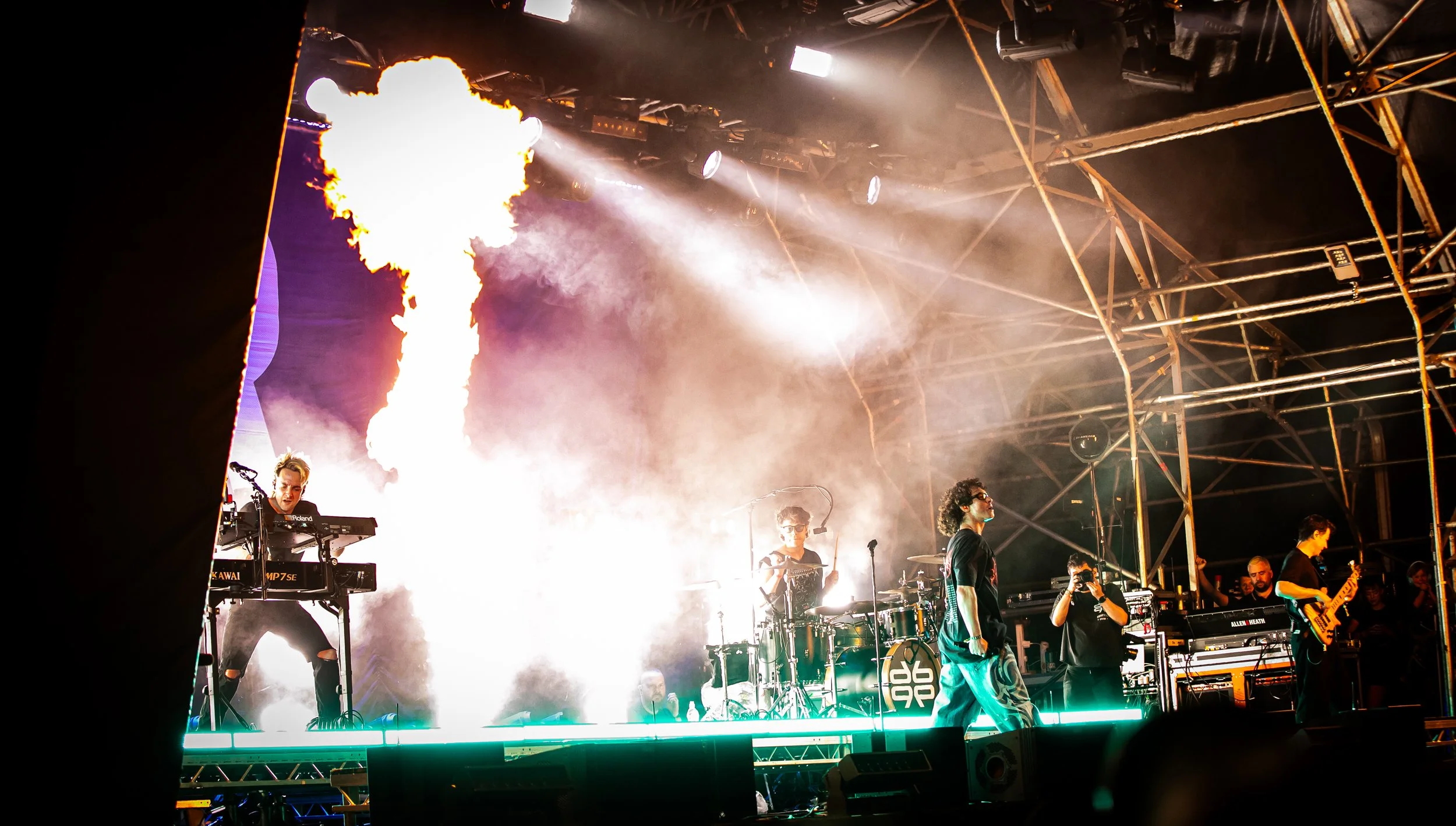
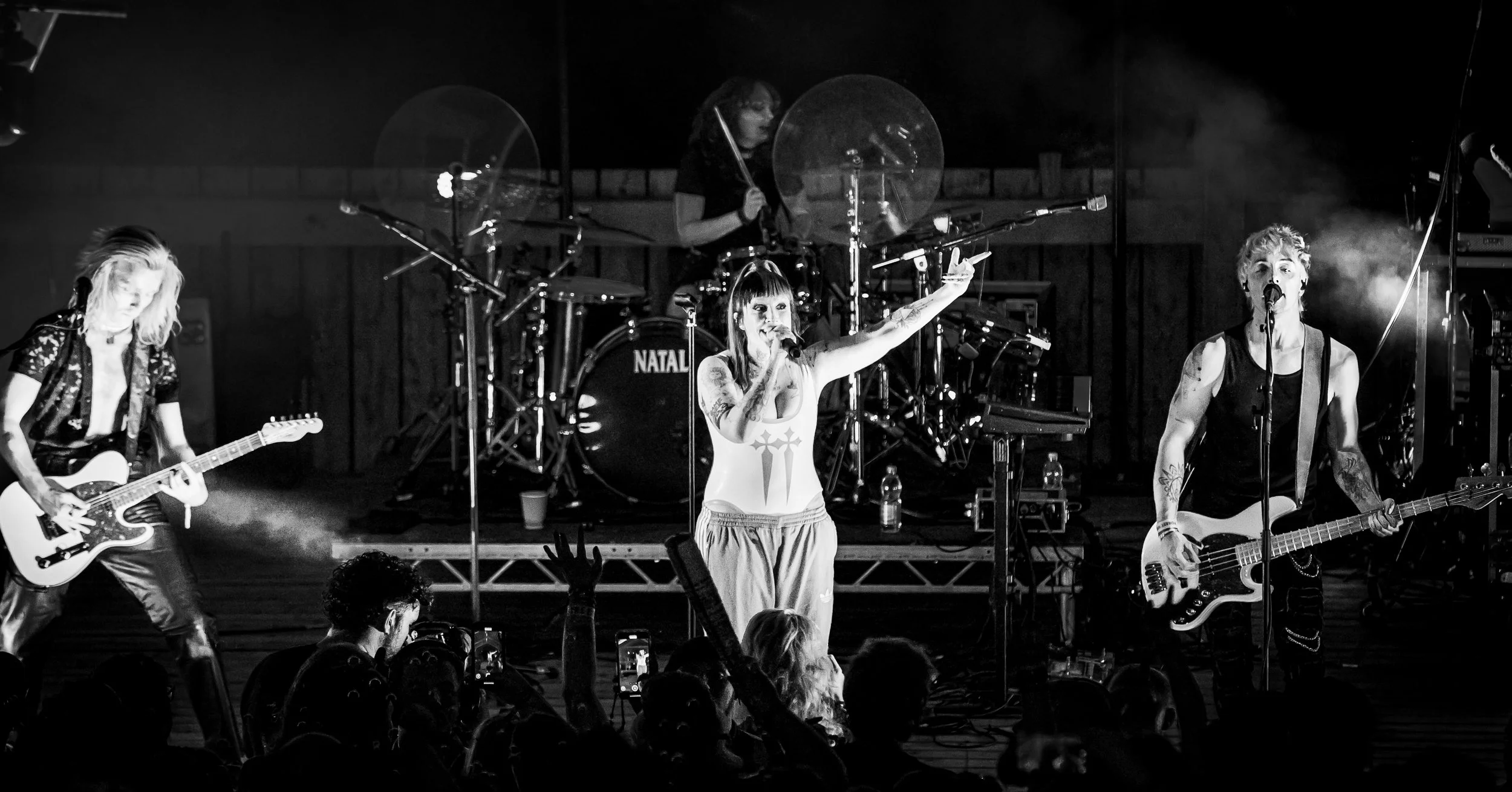
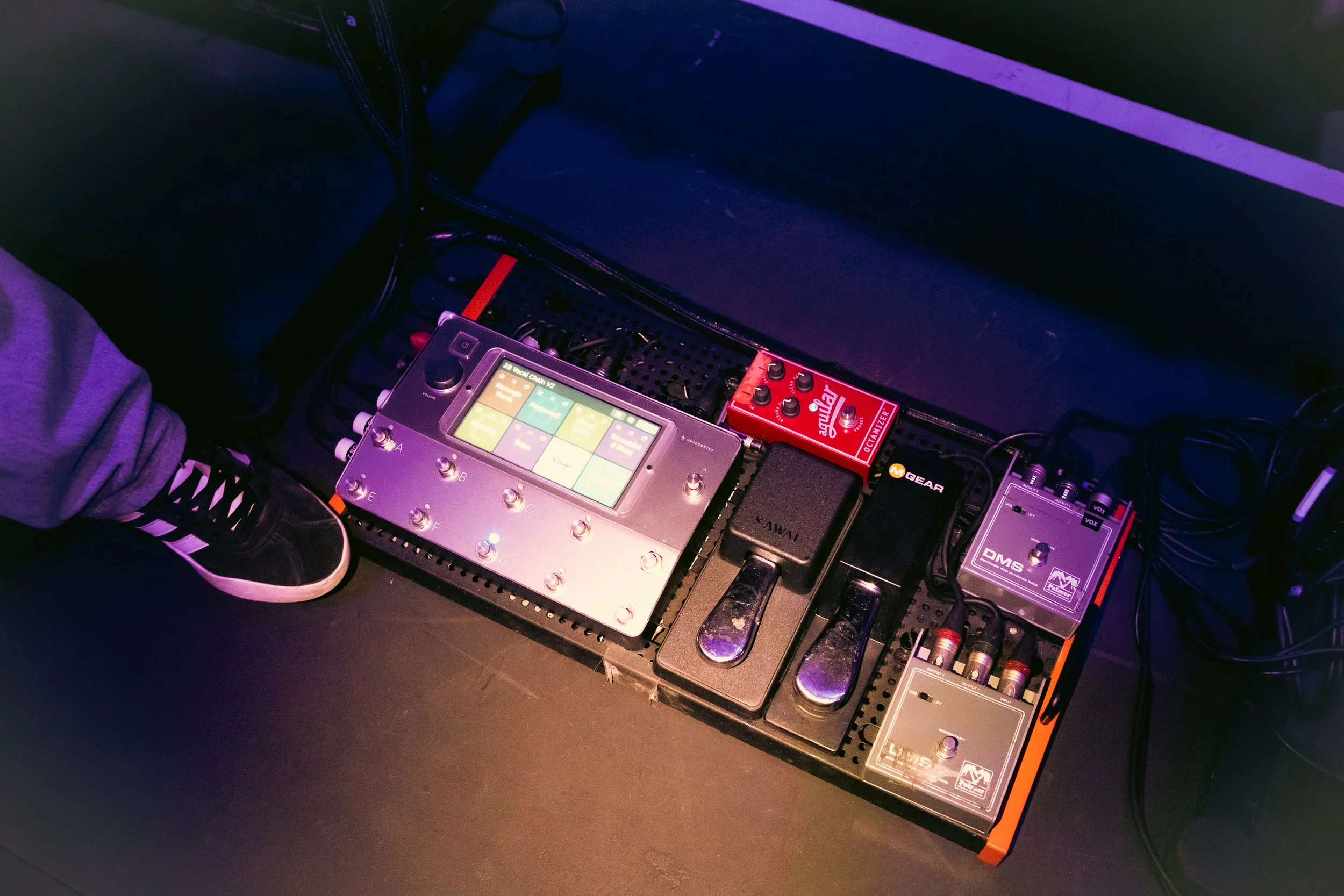
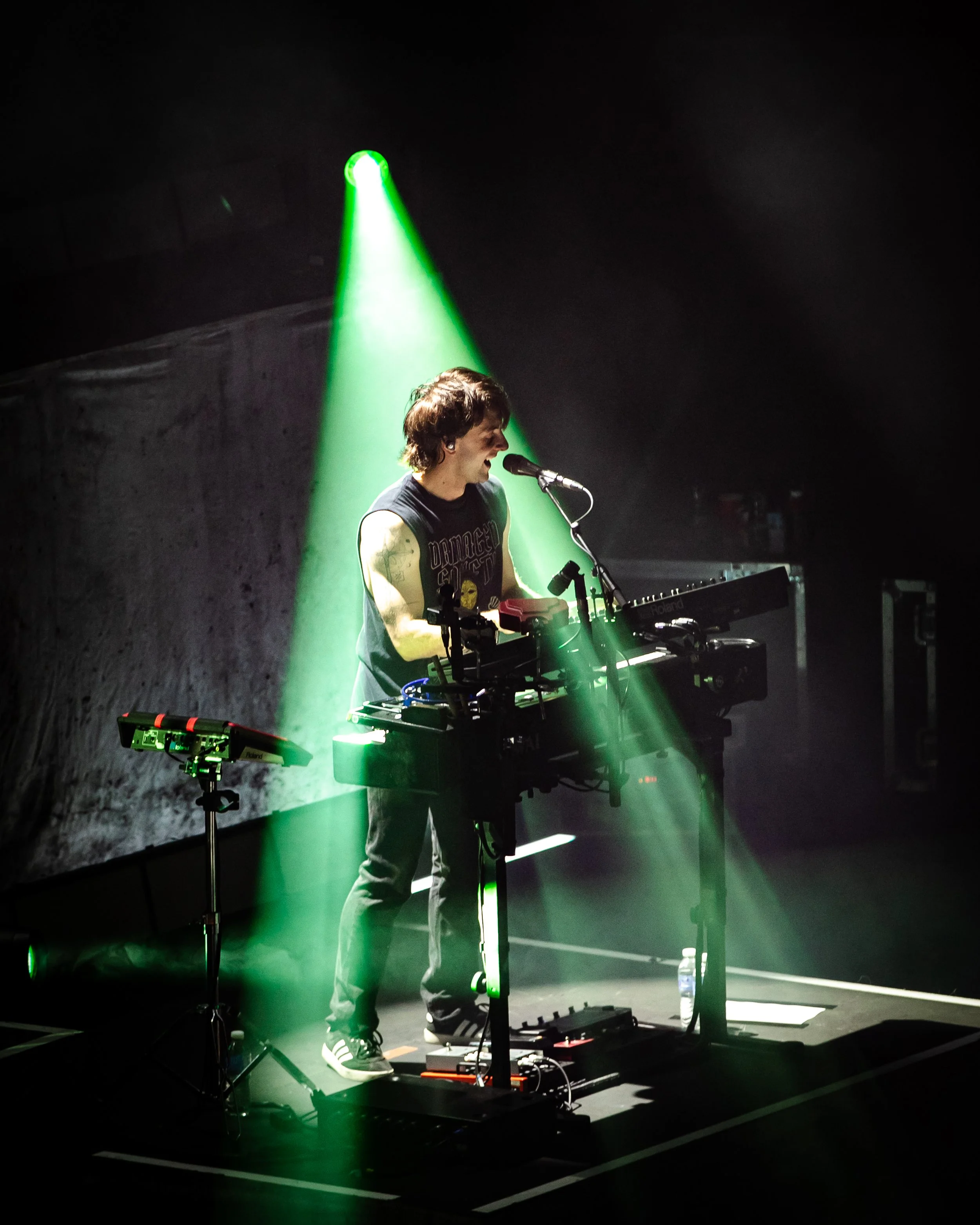
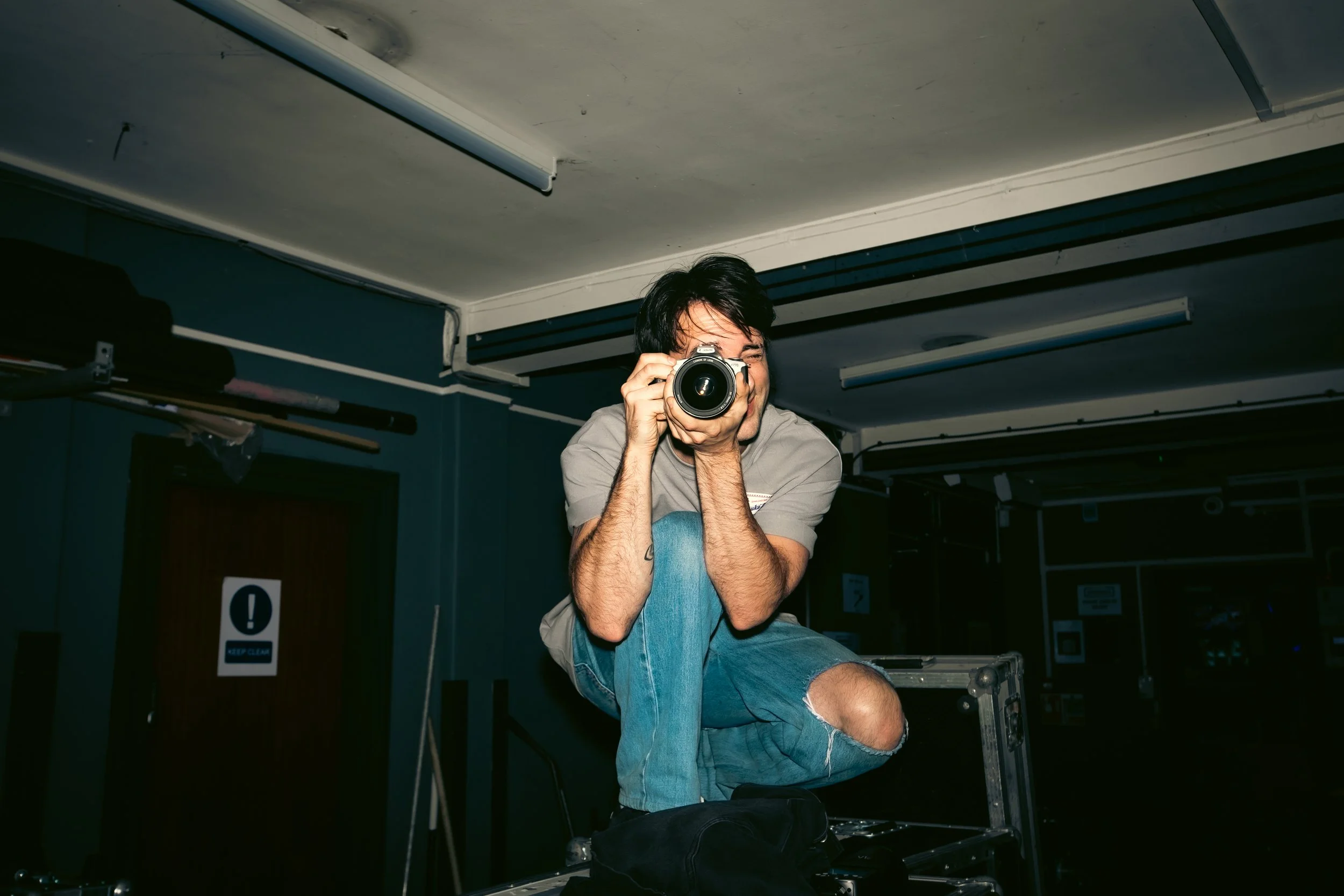
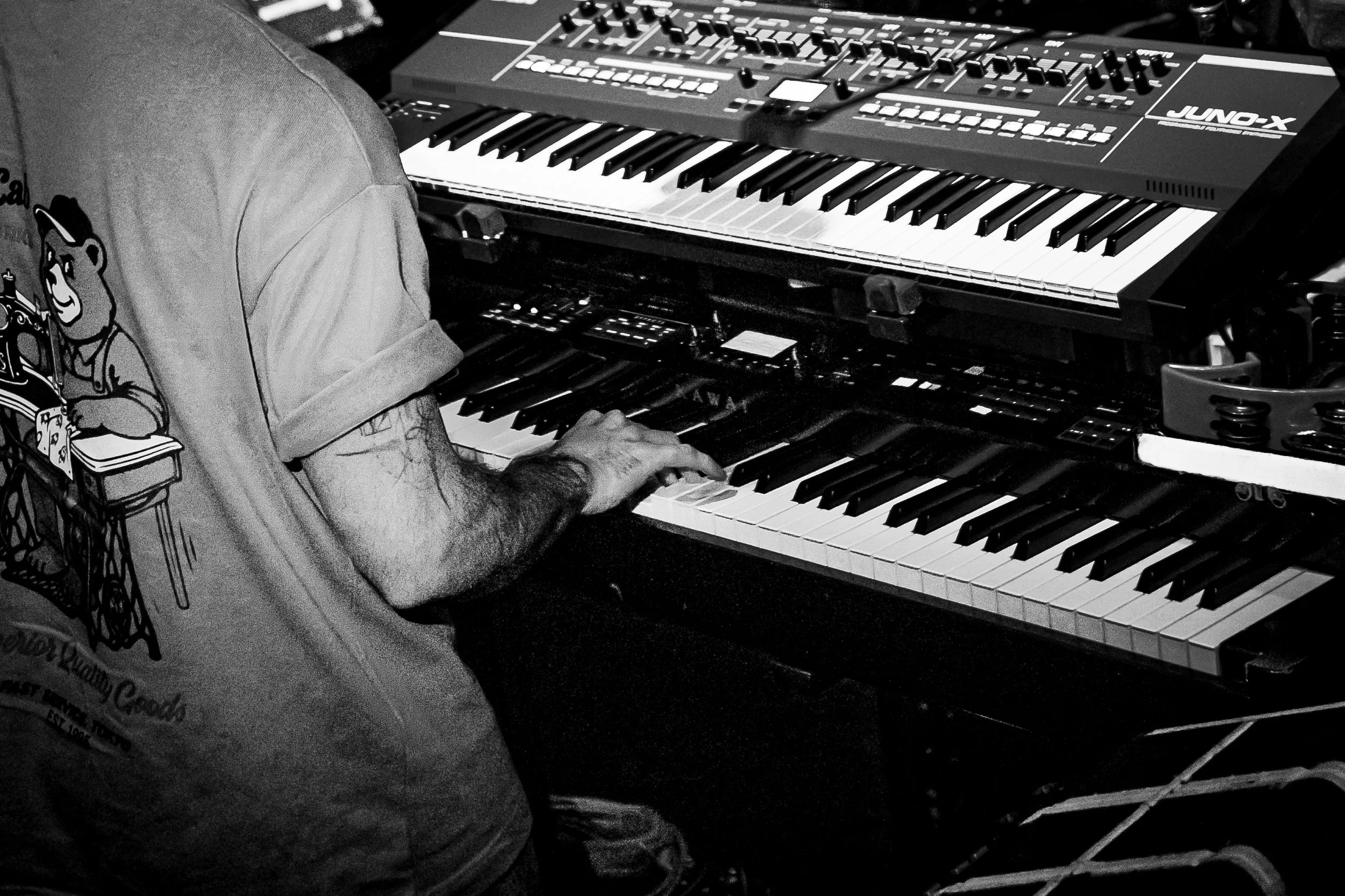
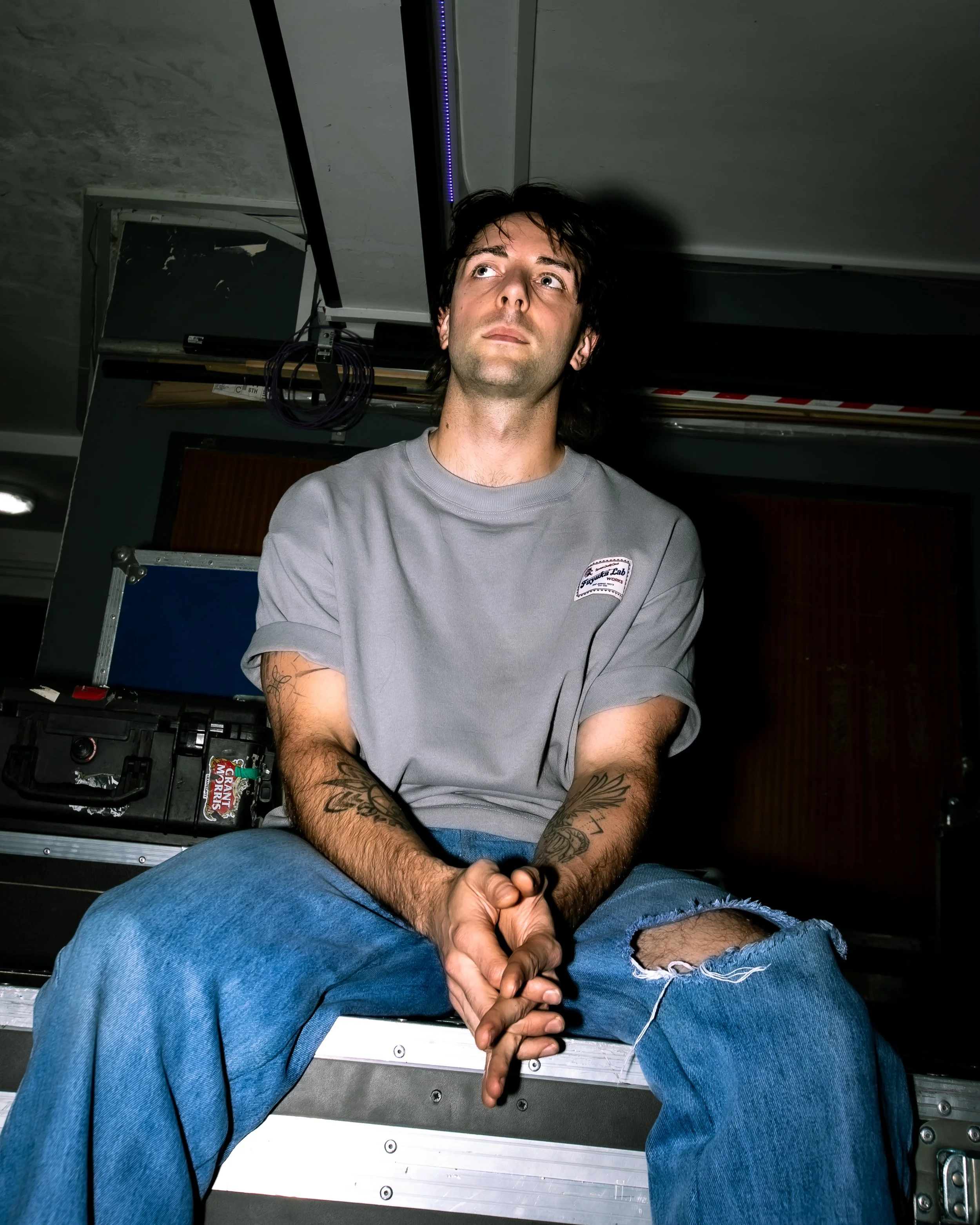
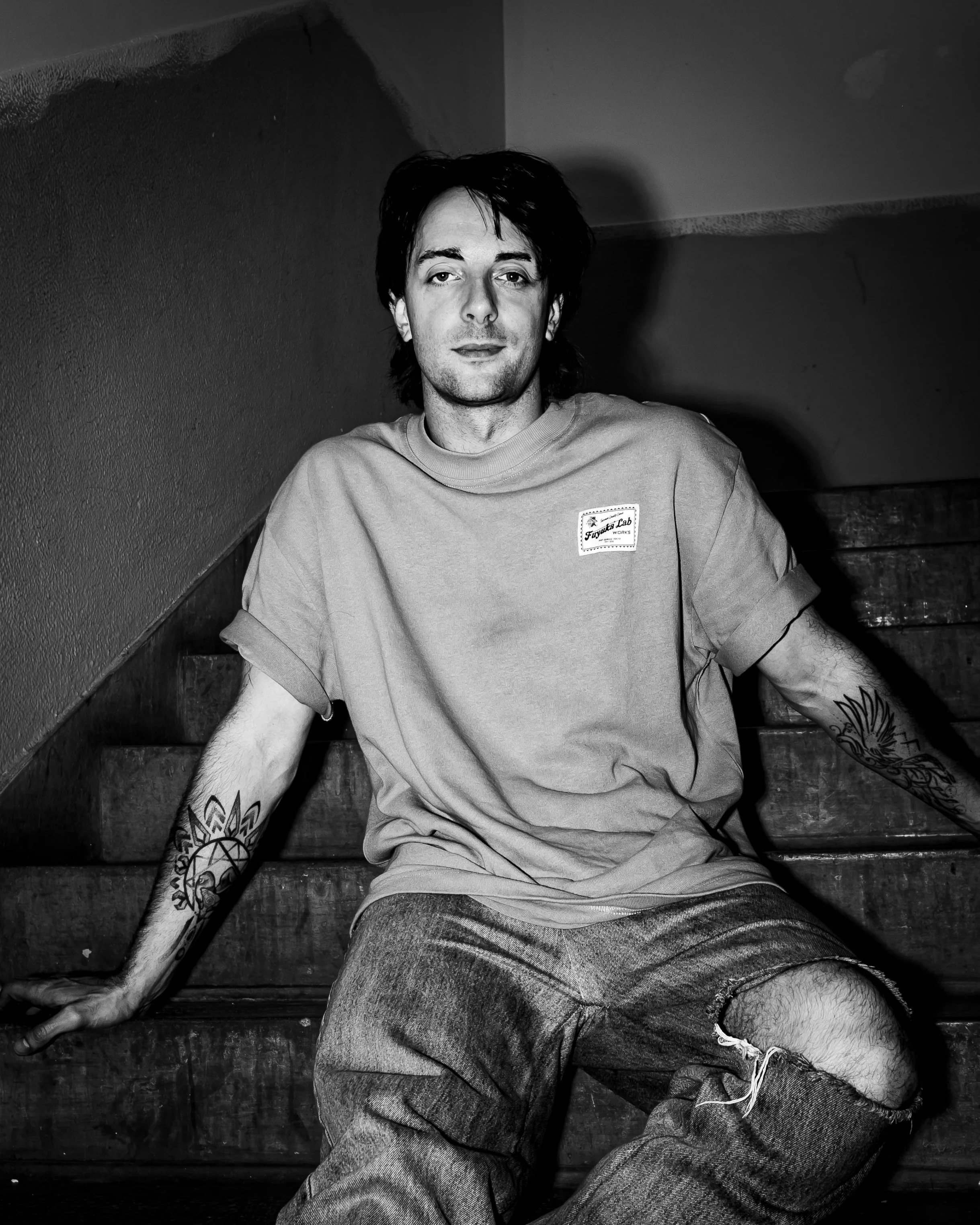
We started with an interview and then moved onto a photoshoot showing off his current stage set up with Don Broco, and what it looked like on tour with them for the last couple of years, and then took some portrait shots to accompany this piece. I had the opportunity then to photograph the live show which started shortly after we finished for the night, so included at the end is a short additional Don Broco gallery from Portsmouth Guildhall.
A big thank you to Pete Daynes, and the Don Broco team for this interview and providing an insight into the behind the scenes of the industry and Pete’s multitude of roles, showing off just how much goes into one section of the back end of the music industry that people don't get to see.
Firstly, if you wouldn’t mind introducing yourself and the different jobs you do?
I’m Pete Daynes, a music director and multi instrumentalist. The roles I do vary on the acts I’m working with, but broadly I work on bringing an artist’s recorded music to life in a live environment. Jobs under the umbrella include things like project management, writing and designing the show from a musical point of view, arranging, programming, sound design, rig building and playing. I’m currently the Musical Director for Architects, RØRY, Nova Twins and Orla Gartland. In Don Broco I play keyboards, percussion and sing BV’s.
How do you find these roles interact and affect each other?
They all affect each other! I always try to come from a music first approach. Every decision is made to try and get a better end product or show and make the audience feel something. I tend to lead everything with that question - ‘how will this make someone in the audience feel?’ And if it feels how the show needs it to feel at that point we’ll run with it. Down from that we’ll make decisions using musicians, technology and equipment to help achieve these things.
How did you get a start in working these roles? Your first experiences and key opportunities/tours?
I really wanted to be a session musician! I loved and still love everything about playing. I think I’ll always be a student of music and specifically the bass. The roles expanded when I realised my ability to see (and feel) the bigger picture (everything all at once at the same time) wasn’t completely normal. I’ve also always been very handy with computers, electronics and synthesis. I think I never really backed my abilities as a musician – especially compared to some of my incredible peers I get to work with every day - so by bringing the other skills to the table it meant I was more employable and useful to projects.
The first couple of super successful artists I worked with were Dodie and Orla Gartland. I met Orla and Dodie when I was 21 or 22? Fresh out of uni and I think at the time we had this perfect mix of keenness, naivety and (in my case the potential but yet to be refined!) skills that matched each other. Together we helped each other grow musically as well as personally and throughout our 20’s we did some incredible tours and shows that got better and better.
I’ll always be so grateful to both Orla and Dodie for allowing me to cut my teeth and make a ton of mistakes whilst working under them. I’m particularly proud of Dodie's ‘Build A Problem’ tour show we worked on and Orla’s ‘Everybody Needs A Hero’ tour which went out in 2021 and 2025 respectively.
You started in a different genre to what you're primarily in now, can you speak more on that and the transition/evolution between them?
It’s been a lot of fun!! I’m a big emo and it was never a phase! Listening to heavier and alternative music growing up was the reason I wanted to learn to play in the first place. From a creative and musical perspective I think I have a more natural understanding of this genre and scene than any other.
How did you find working with Dodie as a musical director and live player to start with? I believe you got your start there so how was that, learning everything on those tours as you were both starting out?
I loved working with Dodie. We had an incredibly eclectic band and toured strings as the core of the show – a really unique sound. Dodie's music is incredibly sensitive and she is a true genuine artist. Her knowledge of harmony and how well she knows her fans is also incredibly impressive. There were a ton of firsts! First US tours, first big UK shows… Her and the team we built around her was world class and it will always be regarded as a truly special time in my career. From my perspective I really learnt how FOH mixes were crafted and how to build shows from the ground up, there were people in that team that are still some of my closest and trusted colleagues.
How do you find the crowd and feedback changed based on initial audiences you worked with and now?
Working across different genres and scenes and understanding how crowds react is so important when writing a show. I’m fascinated by the subjective nature of music lovers, how one person can love something and find the next thing truly offensive! A rock audience is much more lively and you can do a lot more physically with them, a singer-songwriter crowd is perhaps more locked in to the nuances and the song? I feel like that means we can play with the emotion a little more.
Would you go back, if asked and time permitting, to a softer type of act?
Of course! I haven’t completely left that world and I find that genre so musically satisfying. The songs and the lyrics hit different.
How did your work with heavier or more alternative/rock bands come about?
Weirdly there was some crossover with members of Dodie's crew and Don Broco’s/Architects’ crew so when positions became available in those camps I was lucky enough to be recommended and asked to do them.
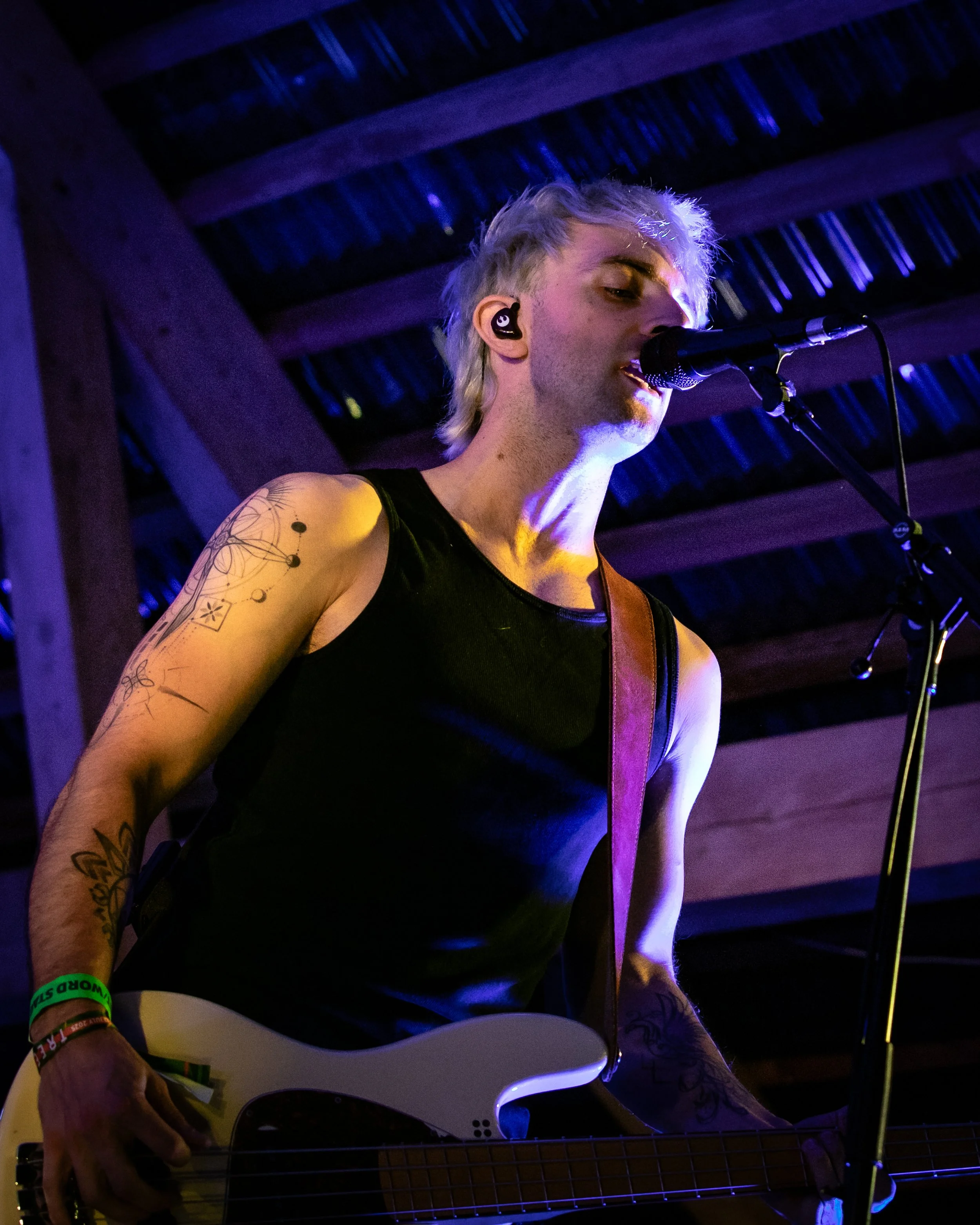
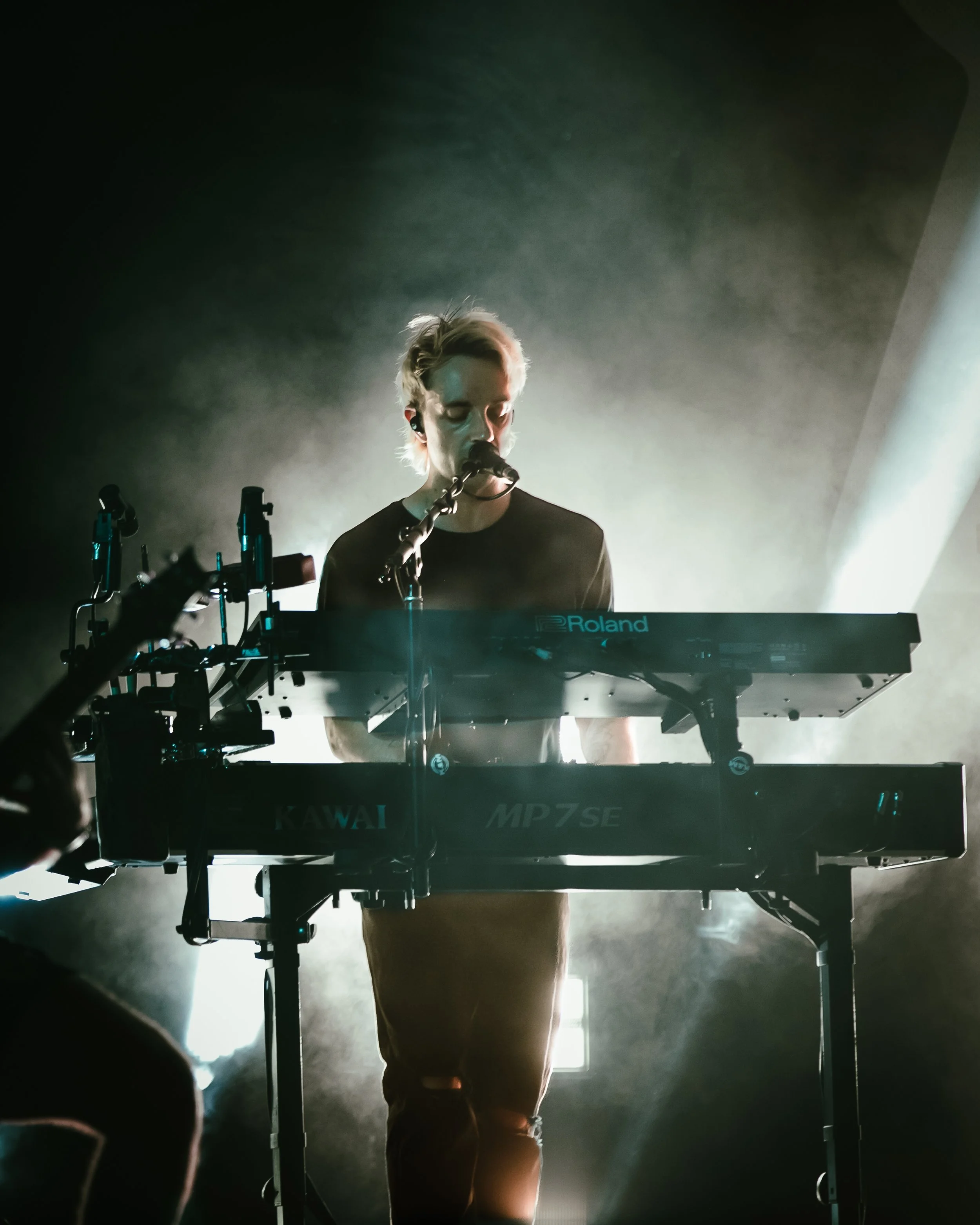
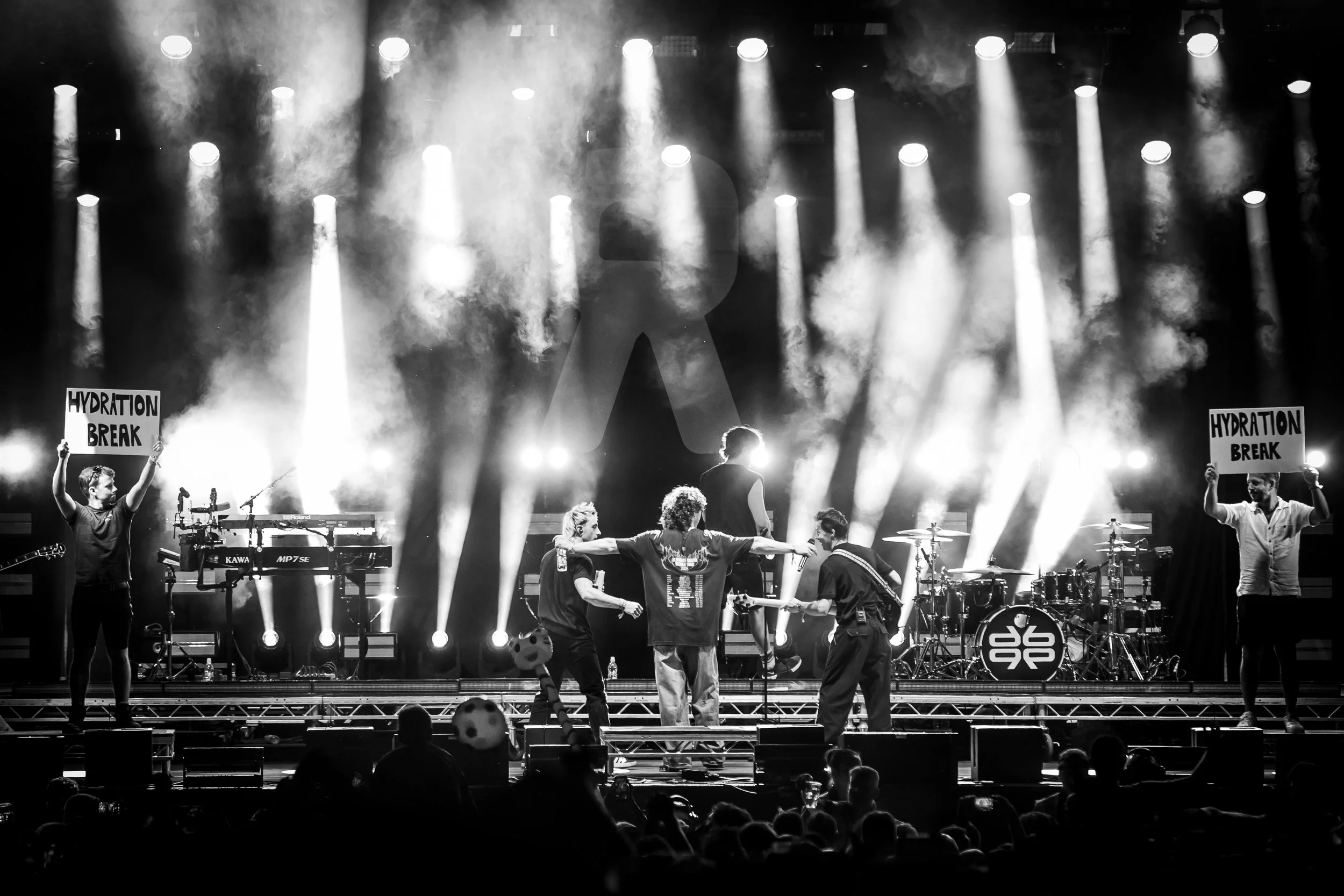
Are there any key things apart from live keys on this tour that you do or help with?
I’m not sure if it helps but I’d like to think I’m chief gamer – I’ll always jump into a game of Fortnite with someone!
I feel like bands used to break after festivals at the end of the summer for example and now they don't as much, festivals now last longer, and tours start up again earlier, for example November-Febuary. How is that non stop schedule?
I’ve been very fortunate the last few years to be busy all year round – it’s a good mix of on the road work and more rehearsal based things where I can be at home. I love what I do and feel so lucky to be asked to work with such a variety of different acts.
Is this different to patterns of touring with other acts earlier in your career or more recent?
I think when I was just full time playing it was definitely more seasonal, although there could be something inferred around having a deeper skillset to offer that allows a for a bigger chance of year round bookings.
On the topic of touring, do you notice photographers on tour or in a pit at shows?
Of course!! Photographers are integral parts of touring teams and I would say the two most important people on the tour other than the artists are the photographer and merch person. Merch is the money maker, and the content is marketing. Without either of those, this whole thing doesn't survive.
Do you find if you've got someone on a tour photographing/filming, if they're doing more documentary behind the scenes stuff, do they blend in a lot or can't you help but notice them? Even longstanding members of the crew?
I don’t think it’s a bad thing to be ‘noticed’ as a photographer! I think I’ve got a bit of a pet peeve with photographers taking up space on stage though. The best photographers I’ve seen and work with have great plans when it comes to content strategy and are brilliantly efficient with their deliverables.
How do you feel photographers, musical directors and artists can work better to create the best for everyone involved and the fans? For example, working together on planning content or bts, maybe planning shots or transition times for key moments?
Careful planning, timeframes and deadlines. Giving yourself thinking time is crucial in creative processes. I would say if there’s a crucial shot to get then it might be appropriate to change a musical or lighting element of the show to allow that to happen better. I’m pretty sure photogs and LD’s are always going back and forth on things like colours and strobes…. I don’t know I tend to zone out a bit on those kinds of things.
With the musical direction in mind with that, would you use live mixes or recordings/versions for content, and do you hand those over to then be used as seen best without further oversight?
I think recordings from the desk at the show are the BEST thing for content because it really gives the viewer the most accurate depiction of the live show without being there. Transparency with the audience is a great thing here.
Following on this, do you do the same with content at festivals and do you use the same live transitions or create bespoke bits for certain sets because of timings?
We create versions of shows that run to specific time limits for sure. Part of the skill at festivals or as a support act as an MD is making sure we’re keeping to time. That can mean cutting songs last minute, pushing the artist to wrap up talking points quicker etc.
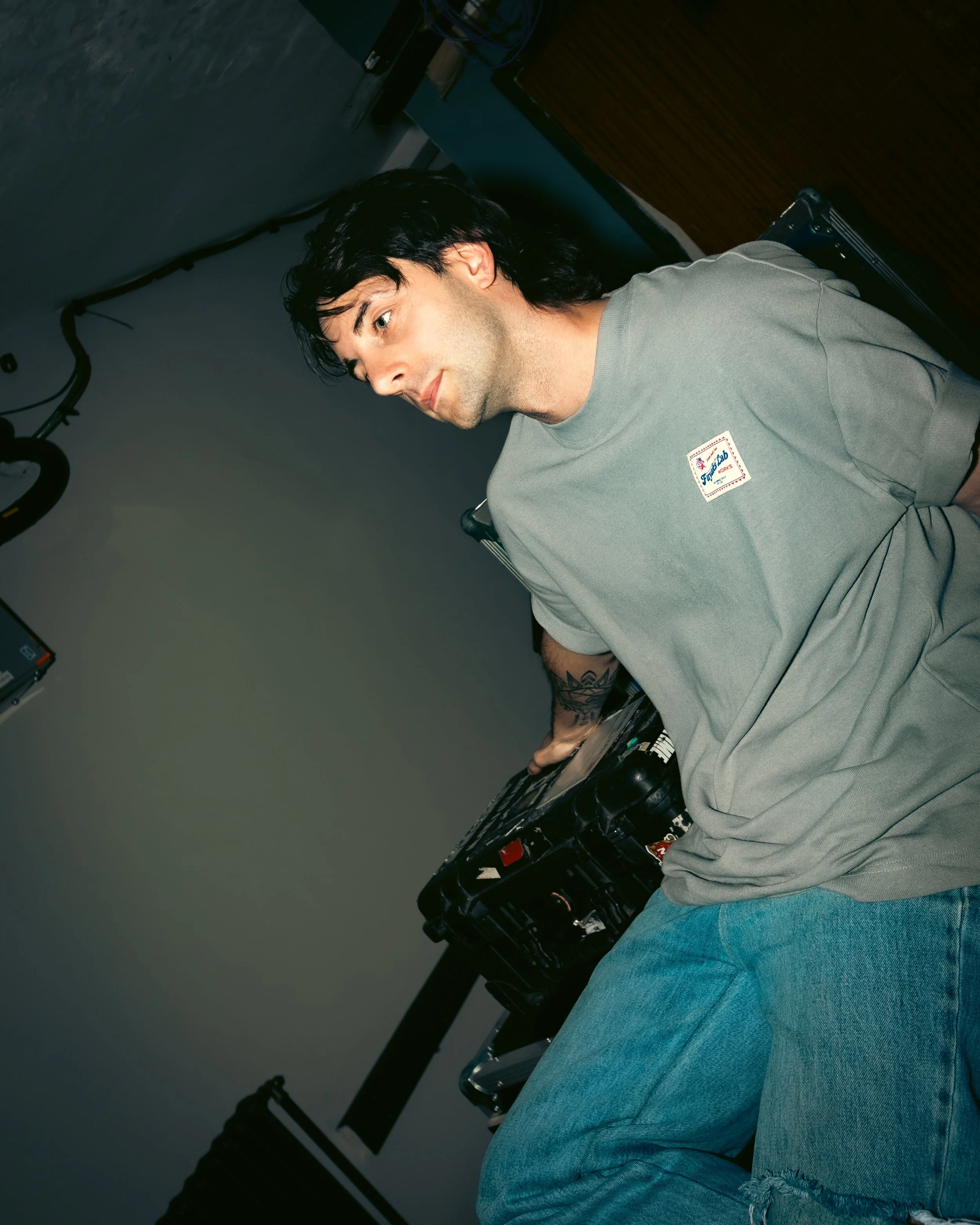
Have you had any bands that don’t want live transitions or help, even though you've been hired for support, and how do you navigate that, especially if they hold the music close to their chest?
Of course! My job is to help bring the artist’s vision to life – if the songs are sacred and not to be touched then that’s what we’ll do – if they like live versions of things and are happy for things to be tweaked and moved around then we’ll do that. I’ll always push to bring in new ideas but always happy to adhere to the name on the ticket.
Have you found at the other end of the spectrum, some artists really want to do something very new and make something special together? If so do you have any examples you would like to share?
RØRY is an example of someone who’s really handed the keys over to me for her current live show – she still has the final say but is so receptive to big ideas and really allows me to push the envelope of what we’re able to do musically and creatively. That trust makes it incredibly fun – myself and the team can really dig into the nuances of the brief and we can write some great live arrangements.
Do you have any acts where your job is more of a formality in terms of title, and is actually way more collaborative, like if you've been working together for a long time?
Some acts are like this for sure. The Architects show is a great example of this. My role in that is not particularly musical, the band are all incredible musicians and they don’t need any direction, it’s more facilitating the different department’s communication lines, a LOT of programming, midi and synthesis. I don’t think it’s necessarily about time spent together that forms the needs of the artist, it’s being receptive to what their needs are and adjusting accordingly.
From that, with those types of acts would you and have you fulfilled multiple roles at a time, and how is it juggling those jobs together on a tour? Especially music direction and live playing.
I LOVE the roles where I’m playing and music directing. Feeling like your brain is working at full capacity is weirdly where I’m most comfortable.
How do you make the decision to step away from acts that you find you don't maybe have enough time for or can't fulfil the role fully anymore, do you look to help hire out your old part, does that depend on the relationship and if your role is going to maybe more background instead of fully leaving?
This is a GREAT question, and something a lot of us don’t get right. I think it’s super important as you evolve and grow that you constantly assess whether you can put the time required into the project you’re hired to do. Time management is crucial. I found that there are some tasks you can sub out to others (session prepping, arranging etc) but at the end of the day, the artist has usually hired me specifically because it’s me. My role is far more than a task completion job, it’s a lot of personality and care that goes into an ongoing project. I don’t like to take on anything I’m not super excited about and that tickles me musically. There’s a huge trust the artist puts in me to continue to deliver so sometimes it’s definitely the right decision to step away or change the role to suit the gig better if time is becoming something you can’t commit.
For example with Orla, there came a time where her schedule majorly clashed with Architects and we had to make the decision to re-cast my role in her band. It was absolutely the best decision as the band is better for it, our working relationship is less strained and I know the gig is better as a result.
For that Orla role, did you end up being the one helping to hire/interview/audition people to replace your role?
For sure! We held auditions for that one. I think we maybe got 30 applicants, whittled it down to about 5 for in-persons. We had Orla and Sara (drums) there so the potential candidates could come in, play a couple of tunes with everyone and we’d see how it fitted. Auditions are brutal. I’ve seen nerves be a catastrophic destroyer of incredible players but for me it’s not just how well you play the prepared material, it’s everything else around it too, your attitude, your experience level, your equipment and your keenness to adapt all give indications of the type of person and musician you are. In the end we found an amazing musician called Scarlett Halton who’s elevated the role and band to new heights. As much as you are required to be professional about these things I’ve got a huge emotional tie to that gig and the people there so that transition was definitely a bigger deal than I let on to anyone at the time. But honestly, I get so stoked watching The Divas™ from FOH be a way better band than when I was in it!
On the opposite end, how does getting hired/called back for roles work for you? Do you just have to sit and hope that they want you back or that you haven't already booked yourself?
Pretty much! I hope that the shows we create or the gigs we do are successful enough and the artist is happy enough to give me the call back. I’ve learnt not to be precious though - I will always say that if the artist believes there’s a better person out there to MD them or tour with them then they should absolutely be free to make that decision and I will completely stand by that.
Does this spontaneity of jobs mean that you get less time to learn new skills between roles, not many have the luxury of learning new things ready for a tour, how is that for you?
I’m always trying to figure out new ways of doing things! For my own excitement if anything. There’s always so much to improve on be it playing or the quality of your arrangement demos or your rig builds for example. When I’m home I’ll tend to just play with my gear and equipment. I find there’s so much value in goofing around with stuff. The ideas I come up with then I’ll pocket and try and work them into a future project if it’s suitable.
Do you have any closing remarks to make about the nature of the industry or roles you do, advice or words of wisdom learnt through years of practice?
I think everyone should remember why they got into music in the first place – for me it was a way of self expression through a medium that meant so much to me, and it still does. I found so much happiness through going to gigs and shows that now being a part of the production and the creative process hopefully gives others the same buzz it gave me. It feels like an amazing way to hopefully be making a difference in the world.
My advice would be to be adaptable – you need to be a chameleon to fit into the slightly different roles and social worlds of each camp. I would also say my biggest bit of advice would be to just keep going. Careers are long and have many winding turns, if you just simply keep going and keep getting better and show others your work and being proud of what you do you’ll end up exactly where you’re supposed to be.
I think a great rule of thumb for anyone who wants to work in this industry (maybe this goes for life in general), is just say yes to the thing. Always say yes. And even if you don't know how the hell you're gonna do it, just say yes and work out after, because that's the way that you learn, that's the way that you grow. It can be so uncomfortable feeling like a complete novice at something, but you push through and you get better at it, and I think that’s what it’s all about. Success comes as a by-product to the above and shouldn’t be the aim because it’s a distraction from the process.
“If you feel safe in the area that you're working in, you're not working in the right area. Always go a little further into the water than you feel you're capable of being in. Go a little bit out of your depth. And when you don't feel that your feet are quite touching the bottom, you're just about in the right place to do something exciting.” – David Bowie 1997
Finally, two quick questions,
If you could do it all again, and pick the same place to end up now would you?
Wouldn’t change a thing. I’ve worked with some incredible people on and off stage and seen people do extraordinary things. The relationships you build on the road have a unique closeness you don’t get anywhere else. The story that’s writing itself is crazy fun and I can’t wait to see what comes next.
And what would you say is your most used gear or kit all round, almost like an industry survival kit for yourself when working?
Great question! I’l split it up into a few things:
Keyboards:
Kawaii MP7 SE Stage Pianos – Don Broco/RØRY
Roland Juno X - Don Broco/RØRY
Moog Voyager
Basses:
Feder Precision Basses - RØRY
Sandberg basses - RØRY
Amps:
Neural DSP Quad Cortex - Don Broco/RØRY/Architects
Aguilar TH500
A Design REDDI
Iems:
Read Audio 303’s
Playback:
Ableton
Universal Audio Interfaces
DirectOut Audio Interfaces
iConnectivity Interfaces